
Build the Village: Why Connection Starves Extractive Systems
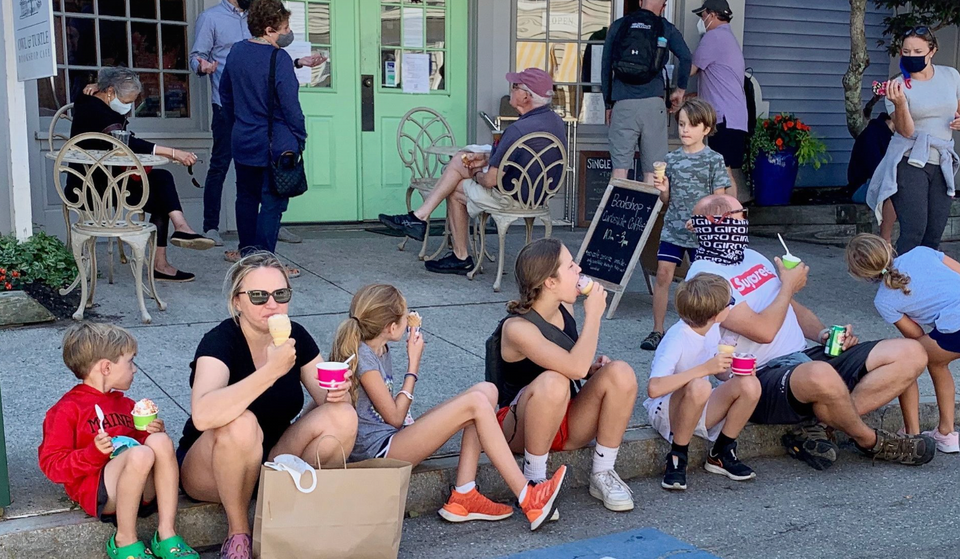
Why Connection Creates Resilience — and Isolation Keeps You Dependent
Why One Plus One Becomes More Than Two
In a village, one plus one does not equal two.
It equals resilience.
Two people who know each other share tools.
Share food.
Share care.
Two people who do not know each other create demand.
Demand feeds systems.
Connection starves them.
The Question No System Wants Asked
What if the fastest way to weaken extractive systems
is not resistance —
but reconnection?
The Core Truth About Modern Systems
Modern systems thrive on isolation.
An isolated human:
- Buys more
- Needs more
- Fears more
Every missing relationship becomes a transaction.
Every missing skill becomes a service.
Every exhausted moment increases dependency.
This is not a glitch.
It is economic design.
Why This Design Works So Well
Humans evolved in villages for more than 200,000 years.
Our nervous systems expect:
- Familiar faces
- Shared rhythm
- Mutual reliance
When those disappear:
- Stress rises
- Memory weakens
- Time accelerates
Longevity zones across the world share the same pattern.
Strong social bonds.
Daily movement.
Shared meals.
Purpose across generations.
Blue Zones are not hacks.
They are social infrastructure.
What “Dead Cities” Actually Do
Dead cities do not collapse.
They extract.
They remove community —
then sell replacements.
Childcare disappears.
Delivery becomes instant.
Healthcare erodes.
Subscriptions multiply.
You lose neighbors.
You gain apps.
This is not efficiency.
It is enclosure.
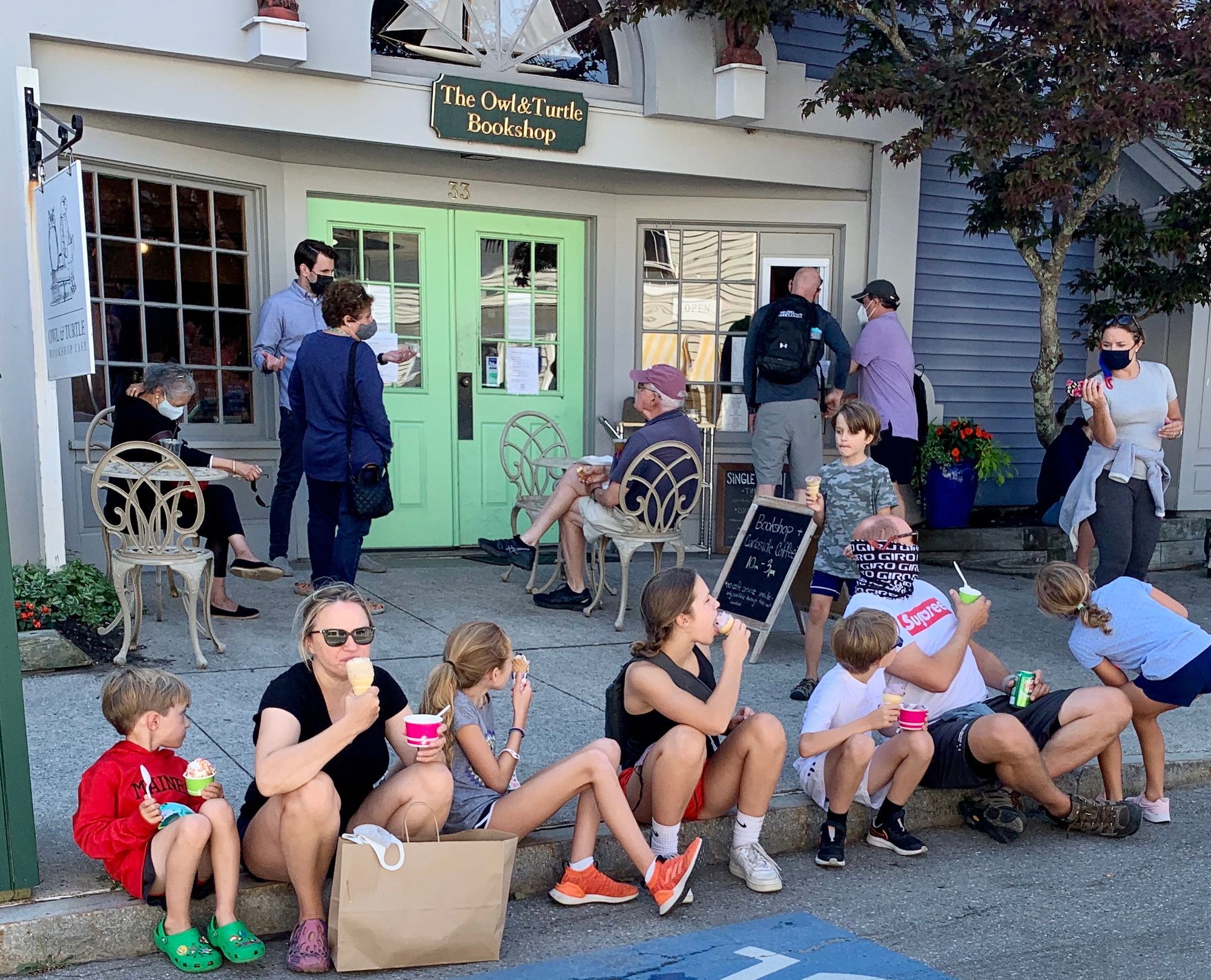
Why Smart Solutions Make the Trap Tighter
Smart cities promise convenience.
Convenience without connection creates control.
A system that must track you to function
is not freedom.
It is management.
While elites secure land, privacy, and exits,
the public receives optimization, surveillance, and debt.
Your cage gets smarter.
Their escape gets quieter.
Why Time Feels Like It Is Disappearing
Time does not accelerate because reality changes.
It accelerates because memory fails to land.
Memory needs space.
Space needs slowness.
Slowness needs safety.
Villages provide safety.
When every gap is filled with stimulation:
- Nothing consolidates
- Nothing roots
- Nothing stays
Life blurs.
What Villages Do That Systems Cannot
Villages slow time.
Shared meals regulate the nervous system.
Shared tools reduce consumption.
Shared care reduces burnout.
Shared pauses create memory.
You stop being a customer.
You become a stakeholder in your own survival.
This Is Not Ideology
It Is Systems Math
This is biology.
This is economics.
This is design logic.
No smart city required.
No billionaire bunker needed.
No app for what already works.
What Building the Village Actually Looks Like
Start where life already flows.
Build where water runs.
Grow what wants to grow.
Learn from people near you.
Ask neighbors before hiring strangers.
Care locally before outsourcing globally.
Start small.
Start human.
Start now.
The Shift That Changes Everything
The future does not belong to those who escape together.
It belongs to those who stay.
Those who share.
Those who care.
Those who rebuild connection at the smallest possible scale.
One Action That Weakens the System
This week, replace one transaction with a relationship.
Borrow instead of buying.
Ask instead of ordering.
Share instead of storing.
Notice what happens.
What This Reveals Over Time
- Dependency decreases
- Costs fall
- Stress softens
- Time slows
- Resilience compounds
Connection is not sentimental.
It is strategic.
The Quiet Ending Systems Fear
You do not dismantle empires by fighting them.
You outgrow them.
Build the village.
Everything else loses power
when you do.
Closing Question
What is one relationship you could strengthen this week
that would reduce your dependence on systems tomorrow?