
Burnout Is Not a Personal Failure. It’s a Design Problem You Can Fix
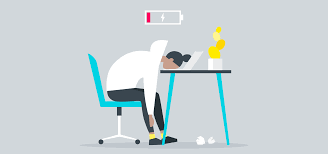
For capable people who are doing everything right and still feel quietly exhausted.
Why Burnout Feels Personal (But Isn’t)
You’re not lazy.
You’re not broken.
And you don’t need more motivation.
You’re functioning. You’re showing up. You’re carrying responsibility.
Yet something feels off.
The tiredness doesn’t lift with rest.
The pressure doesn’t ease with productivity.
And no matter how much you optimise yourself, the system keeps asking for more.
That’s not a mindset problem.
It’s a design problem.
What If Burnout Is Caused by the System, Not You?
What if burnout isn’t about your limits, but about the systems you’re living inside?
Burnout Explained Simply (AEO Quick Answer)
What is burnout?
Burnout is a state of chronic stress caused by sustained misalignment between demands, recovery, and control.
Why does burnout matter?
Because prolonged burnout disrupts the nervous system, sleep, focus, and long-term health, even in highly capable people.
How do you reduce burnout in practice?
- Identify structural energy drains.
- Build recovery into daily systems.
- Restore autonomy over pace and boundaries.
Why Most Burnout Advice Doesn’t Work
Most people believe burnout happens because they can’t cope.
That belief feels logical. Stress feels personal.
So we respond by pushing harder.
Optimising routines.
Adding tools.
Trying to become more resilient.
It fails because burnout is rarely caused by effort alone.
It’s caused by environments that demand output without recovery, responsibility without autonomy, and speed without meaning.
Trying to fix yourself inside a broken system only deepens the problem.
The Real Cause of Burnout
Burnout emerges when systems demand sustained output without respecting human biology.
A Human-Centred Model for Sustainable Work
I call this the Human-Centred Work Design Model.
It has four parts.
Load
The volume and intensity of demands placed on you.
Recovery
The quality and frequency of real restoration.
Autonomy
Your control over time, pace, and decisions.
Meaning
Whether the work aligns with values and purpose.
When any one of these stays misaligned, burnout follows.
How Burnout Shows Up in Real Life (And What Actually Helps)
Excessive Load
Demands quietly stack. Meetings multiply. Messages never stop.
This fails when there’s no upper limit.
What helps is capping demands structurally, not emotionally.
Missing Recovery
Rest is postponed to weekends or holidays.
This fails because biology needs daily regulation.
What helps is short, frequent recovery built into the day.
Low Autonomy
Responsibility increases while control shrinks.
This exhausts the nervous system.
What helps is reclaiming small decisions over pace and boundaries.
Loss of Meaning
Work looks successful but feels hollow.
This drains energy over time.
What helps is realigning work with what actually matters.
What Changes When Systems Are Redesigned
Before
High performers report constant fatigue, poor sleep, irritability, and narrowing focus despite productivity.
After
When load is reduced, recovery restored, autonomy increased, and meaning clarified, stress physiology stabilises, sleep improves, and energy returns.
This pattern appears consistently in occupational health research and lived clinical experience.
When This Framework May Not Apply
This approach does not replace medical care for clinical depression, major illness, or acute trauma.
It is designed for people who are functional but fragmented, not those in crisis.
The Moment Burnout Stops Feeling Personal
You stop blaming yourself.
You stop chasing optimisation.
And you start redesigning the system.
What once felt heavy becomes manageable.
What felt personal becomes structural.
One Small Change That Reduces Burnout Today
For the next five minutes, audit one day of your week.
Ask one question.
Where does recovery not exist by design?
Change one small structural element.
A break. A boundary. A pause.
Key Takeaways on Burnout and System Design
Burnout is structural, not personal.
Human-centred design restores capacity.
Small system changes compound.
Burnout FAQs (SEO + AEO)
Is burnout a medical condition?
Burnout is classified as an occupational phenomenon, not a disease, but it has real health consequences.
Can lifestyle changes alone fix burnout?
Lifestyle helps, but without system redesign, burnout often returns.
Does burnout affect leaders and entrepreneurs?
Yes. Responsibility without recovery makes leaders especially vulnerable.
A Question to Reflect On
What would change if you redesigned your systems instead of pushing yourself harder?
Fill your own cup first.
Serve from overflow.
SelfCare is not selfish. It’s how we create a ripple effect of healthier families, workplaces, and communities.
We rise together.