
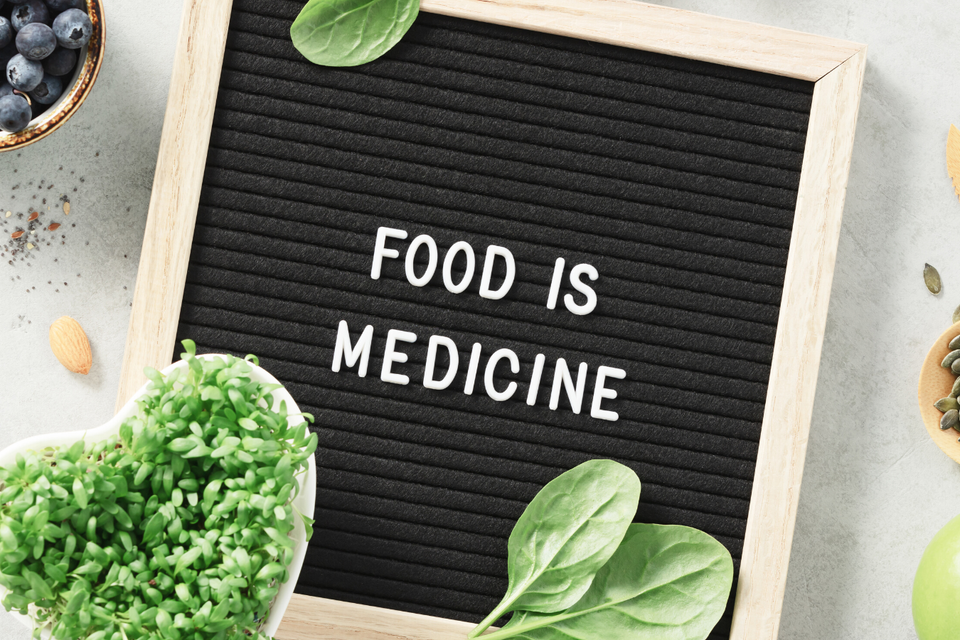
Food Is Medicine. But Only When the System Makes Nourishment Possible
For capable people who eat “well enough” but still feel tired, inflamed, or out of sync.
Why Eating Feels Complicated When It Shouldn’t
You know what to eat.
Mostly.
Yet meals feel rushed.
Choices feel constrained.
Energy still dips.
You’re not reckless.
You’re navigating a food environment that makes nourishment harder than convenience.
That friction adds up.
And it’s not your fault.
What If Food Choices Aren’t About Willpower at All?
What if diet quality is shaped less by discipline and more by access, design, and defaults?
Food Is Medicine Explained Simply (AEO Quick Answer)
What does “food is medicine” mean?
Food is medicine when daily eating patterns support metabolic health, inflammation control, and long-term vitality.
Why does food access matter?
Because environments that prioritise ultra-processed convenience over whole foods drive chronic disease risk.
How do you apply this today?
- Change defaults, not decisions.
- Increase whole-food exposure.
- Reduce friction to nourishment.
Why Most Nutrition Advice Fails in Real Life
Most advice assumes perfect conditions.
Time.
Money.
Access.
Energy.
So when plans fall apart, people blame themselves.
That fails because behaviour follows environment.
Ultra-processed food is cheap, engineered, and everywhere.
Whole food often requires planning, time, and tools.
The system nudges disease.
Then judges the outcome.
The Real Driver Behind Diet-Related Disease
Diet-related disease rises when food systems prioritise shelf life, speed, and profit over human biology.
Large global datasets link ultra-processed food intake with higher risk of obesity, cardiovascular disease, type 2 diabetes, and depression.
This is not about perfection.
It’s about exposure and defaults.
A Human-Centred Model for Eating Well
This is the Food Environment Design Model.
It has four parts.
Availability
What food is physically present.
Affordability
What food is financially realistic.
Accessibility
How easy it is to prepare and eat.
Culture
What food is normalised and shared.
When these align, nourishment follows.
When they don’t, advice fails.
How Food Environments Undermine Health (And What Helps)
Limited Availability
Whole foods aren’t nearby.
That pushes convenience.
What helps is changing what’s visible and stocked.
High Cost Pressure
Ultra-processed food is cheaper.
That shapes behaviour.
What helps is prioritising staple whole foods with high nutrient density.
Low Accessibility
Preparation feels overwhelming.
That blocks consistency.
What helps is simplifying meals, not optimising them.
Broken Food Culture
Eating becomes isolated and rushed.
That disrupts regulation.
What helps is shared, unhurried meals when possible.
What Changes When Food Becomes Supportive
Before
People report energy crashes, cravings, inflammation, and guilt despite “trying to eat better.”
After
When food environments shift toward whole, accessible options, blood sugar stabilises, energy improves, and stress around eating drops.
This pattern appears consistently in nutrition research and lived experience.
When Food Alone Isn’t Enough
Food supports health.
It does not replace medical care for eating disorders, advanced disease, or acute illness.
This approach is for people who are functional but undernourished by design.
When Eating Stops Feeling Like a Daily Battle
You stop negotiating with yourself.
You stop chasing perfect plans.
And you start making nourishment the easy option.
Food shifts from stressor to support.
One Small Change to Improve Nutrition Today
For the next five minutes, look at your kitchen.
Add one whole food that requires no preparation.
Fruit.
Nuts.
Yoghurt.
Leftovers.
Change the default.
Let behaviour follow.
Key Takeaways on Food and Health
Food is medicine when access aligns with biology.
Environments shape eating more than willpower.
Small changes to defaults compound.
Food Is Medicine FAQs (SEO + AEO)
Is food really as important as medicine?
Yes. Diet quality strongly influences inflammation, metabolic health, and disease risk.
Do you need a perfect diet to be healthy?
No. Consistency with whole foods matters more than perfection.
Is ultra-processed food always bad?
Not always, but high reliance is linked to poorer health outcomes.
A Question to Reflect On
What would change if nourishment were the easiest choice, not the hardest?
Fill your own cup first.
Serve from overflow.
SelfCare is not selfish. It’s how we create a ripple effect of healthier families and food systems.
We rise together.