
PHYSICAL RETREAT VENUE Start Up ROADMAP | Project Management, Communication Tech Stack
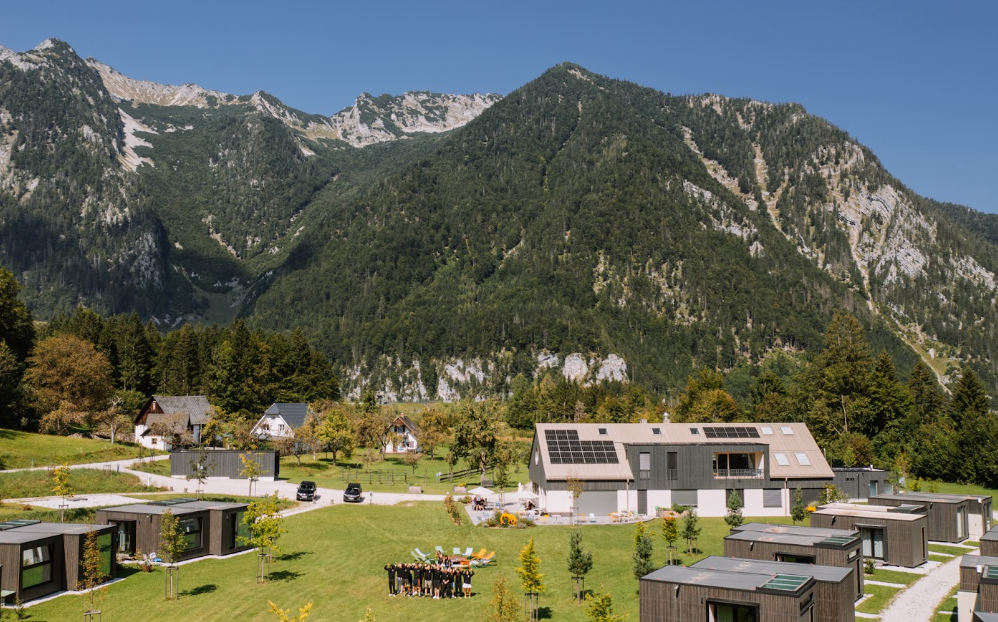
Startup phase. Pre-build. $1–2M project
Accommodation, retreats, hospitality
1–2 founders
• Physical retreat space only
• Land secured
• Build planned over next 0–18 months
• Opening after build
• Mixed use: accommodation, retreats, hospitality
• Goal: design once, operate cleanly, avoid rebuilds
This phase is about operability, not vibes.
STAGE — STARTUP / PRE-BUILD
Month 0 to Month 18
Before guests. Before staff.
Core objective
Design the business inside the building
before the building is finished.
Every operational shortcut here becomes a permanent tax later.
Team (lean by design)
• 1–2 founders
• Architect
• Builder / contractor
• Legal and permitting support
• No staff yet
No ops team yet.
No hospitality staff yet.
No EA yet.
Budget (monthly, pre-build phase)
• Software: $50–$150
• Ops support: none or founder-led
• Ops owner: Founder
This phase does not need headcount.
It needs clarity.
Systems in use (only what matters)
• Asana
• Google Drive
• WhatsApp
Nothing else yet.
No Slack.
No Notion complexity.
No PMS yet.
Asana (Pre-build phase)
UTILITY
Project and decision tracking.
BEST FOR
• Design milestones
• Build timelines
• Contractor coordination
• Decision logging
• Dependency visibility
NOT FOR
• Daily site chat
• Documentation storage
• Hospitality workflows
ROLE IN THE SYSTEM
Asana answers one question.
“What decision is next, and who owns it?”
If it affects layout, flow, cost, or staffing, it lives here.
Asana structure (simple and sufficient)
One project: Venue Build Master
Sections
• Vision and Constraints
• Design Decisions
• Permits and Compliance
• Construction Milestones
• Procurement
• Risks and Blockers
Every task must include
• Owner
• Decision required
• Deadline
• Cost impact
Google Drive (Pre-build phase)
UTILITY
Single source of truth for documents.
BEST FOR
• Contracts
• Floor plans
• Budgets
• Drawings
• Vendor details
NOT FOR
• Task tracking
• Communication
ROLE IN THE SYSTEM
Drive stores facts.
Asana stores decisions.
Drive structure (do not overbuild)
Root folder: Venue HQ
Subfolders
• Legal and Permits
• Architecture and Drawings
• Budget and Forecasts
• Vendors and Contacts
• Utilities and Infrastructure
If a document is not referenced in Asana, it is noise.
WhatsApp (Pre-build phase)
UTILITY
Immediate coordination.
BEST FOR
• Builder updates
• Site issues
• Time-sensitive questions
NOT FOR
• Decisions
• Planning
• Instructions
ROLE IN THE SYSTEM
WhatsApp handles today.
If it creates work tomorrow, it moves into Asana.
Founder role (pre-build)
• Vision holder
• Decision maker
• Constraint setter
• Cash flow protector
Founders must personally decide
• Room count
• Room size
• Retreat capacity
• Staff flow
• Back-of-house layout
These are not delegate decisions.
What NOT to add yet
• Cloudbeds
• Slack
• SOP libraries
• Staff onboarding systems
• Hospitality software
Adding these before layout is locked is wasted effort.
Failure mode at this stage
• Designing for aesthetics over operations
• No back-of-house thinking
• No staff flow consideration
• No storage or laundry planning
• No guest volume constraints
These mistakes cost six figures to undo.
Transition trigger
When to move to the next phase
You move to Pre-Operations only when:
• Floor plans are locked
• Room count and types are final
• Retreat group size is defined
• Staffing model is roughly known
• Opening timeline is real
Only then do you introduce
• Cloudbeds
• SOP design
• Hiring plans
SIMPLE REALITY CHECK
Ask this before breaking ground:
“If this opened tomorrow, could a manager run it without us?”
If the answer is unclear, the design is not finished.
PHYSICAL STACK SUMMARY (Pre-build)
• Asana = decisions
• Drive = documents
• WhatsApp = urgency
Nothing else.
FINAL CLARITY
Pre-build is not about speed.
It is about irreversible choices.
Most retreat venues fail before the first guest arrives.
They just don’t know it yet.
COMPARISON
Short answer.
At pre-build / startup phase for a $1–2M physical retreat venue, most tools slow you down.
Here’s the clear, stage-appropriate answer for Trello, ClickUp, and Slack.
Trello
Should you use it at this stage?
Optional. Acceptable. Not ideal.
Where Trello helps
• Very early concepting
• Visual thinkers
• Simple yes or no decisions
• Mood boards and idea sorting
Where Trello fails
• Dependencies
• Timelines
• Cost impact
• Decision tracking
Verdict
If you are:
• 1 founder
• Very early
• No builder onboard yet
Trello is fine temporarily.
Once:
• Architects
• Contractors
• Permits
• Timelines
Enter the picture, Trello breaks.
ClickUp
Should you use it at this stage?
No. Strong no.
Why ClickUp is wrong here
• Too configurable
• Too many fields
• Too much temptation to systemize early
• Encourages fake progress
ClickUp shines when:
• Work repeats
• Tasks flow weekly
• Teams execute
Pre-build work is:
• Irreversible
• Decision heavy
• Constraint driven
• Non-repeating
ClickUp creates activity, not clarity, at this stage.
Slack
Should you use it at this stage?
No. Do not add Slack.
Why Slack hurts pre-build
• Decisions get buried
• Builders do not use it well
• Conversations fragment
• Nothing feels “finished”
Slack assumes:
• Ongoing team
• Repeat coordination
• Async collaboration
Pre-build reality:
• Few people
• High-stakes decisions
• One or two decision makers
Slack creates noise, not alignment.
The correct stack for THIS stage
Pre-build is about decisions, not execution.
Use this only
• Asana
• Google Drive
• WhatsApp
Why this wins:
• Asana forces ownership and deadlines
• Drive holds facts and contracts
• WhatsApp handles site reality
Nothing else earns its place yet.
When EACH tool becomes valid
Trello
• Early ideation only
• Retire once design locks
ClickUp
• Post-opening
• Ops workflows
• Maintenance cycles
Slack
• After hiring managers
• After opening
• Leadership coordination only
Simple decision rule
If the tool:
• Encourages chatting → wrong
• Encourages endless tweaking → wrong
• Encourages irreversible decisions → right
Pre-build mistakes are permanent.
Choose tools that slow you down just enough to think.
Bottom line
At this stage:
• Fewer tools
• Fewer voices
• Fewer decisions per week
But the right decisions.
If you want, I can next:
• Map the exact moment each tool enters
• Create a build-to-open tool transition plan
• Or design a single Asana decision framework for pre-build
Say the word.
ROLE OVERVIEW - "WHO"
EA or COO-Lite
Physical Retreat Venue, Pre-Build Phase
This role exists to protect founders from operational drag while ensuring high-stakes decisions are tracked, documented, and executed cleanly.
This is not hospitality ops.
This is pre-operations governance.
WHEN THIS ROLE IS REQUIRED
Phase A — Early pre-build (months 0–6)
Status: Optional
Founders can run this themselves only if:
• Fewer than 5 external stakeholders
• Decisions still informal
• No overlapping contractors
If complexity rises, add the role.
Phase B — Active design + build prep (months 6–18)
Status: Required
You need this role when:
• Architects and builders are active
• Permits and approvals are in motion
• Decisions become irreversible
• Founders feel decision fatigue
At this point, not having this role costs more than hiring it.
LEVEL REQUIRED (IMPORTANT)
What you do NOT need yet
• Full COO
• Hospitality manager
• GM
• Heavy ops leader
Those come later.
What you DO need
Senior EA or COO-Lite
Someone who:
• Thinks structurally
• Is calm under pressure
• Is comfortable enforcing clarity
• Is trusted by founders
TIME + COST (REALISTIC)
• 8–15 hours per week initially
• Scales to 20 hours during active build decisions
• $800–$2,000 per month depending on seniority
This role pays for itself by preventing bad decisions.
CORE PURPOSE OF THE ROLE
• Hold the build process together
• Track decisions, not opinions
• Ensure nothing critical is lost, rushed, or forgotten
• Reduce founder cognitive load
If founders are repeating themselves, the role is failing.
SYSTEMS OWNED BY THIS ROLE
• Asana
• Google Drive
• WhatsApp
Nothing else at this stage.
ROLE DESCRIPTION (PRE-BUILD)
Title
Executive Assistant, Pre-Build Operations
or
COO-Lite, Venue Development
Reports to
Founders only.
Authority level
• Can assign tasks
• Can follow up external parties
• Can enforce documentation standards
• Cannot override founder decisions
KEY RESPONSIBILITIES BY TOOL
Asana (Decision and Build Spine)
Purpose: Decision tracking and accountability
Daily or near-daily:
• Review open decisions
• Track deadlines tied to permits, design, build
• Follow up owners
• Flag delays or missing info
Weekly:
• Maintain the Venue Build Master project
• Prepare a short founder decision list
• Close resolved items
• Ensure cost or scope impacts are noted
Rule enforced:
If a decision affects layout, cost, flow, or timeline, it lives in Asana.
Google Drive (Single Source of Truth)
Purpose: Facts, not conversations
Responsibilities:
• Organize contracts, plans, drawings, budgets
• Ensure naming consistency
• Ensure latest versions are clearly marked
• Link relevant files inside Asana tasks
Rule enforced:
If it is not in Drive, it does not exist.
WhatsApp (Urgency Only)
Purpose: Site reality and time-sensitive issues
Responsibilities:
• Monitor urgent messages
• Redirect decisions into Asana
• Prevent planning inside WhatsApp
Rule enforced:
WhatsApp handles today.
Tomorrow belongs in Asana.
FOUNDER INTERFACE (CRITICAL)
The role provides founders with:
Weekly:
• One decision list
• One risk list
• One timeline check
Founders:
• Decide
• Do not chase
• Do not manage tools
WHAT THIS ROLE DOES NOT DO
• Design the venue
• Run hospitality
• Manage guests
• Hire staff
• Create SOPs for operations
Those come later.
FAILURE MODE IF YOU HIRE THE WRONG LEVEL
If the person:
• Asks where everything goes
• Avoids pushing back
• Needs constant reassurance
• Over-tools the system
They are too junior.
INTERVIEW FILTER QUESTION
Ask this exact question:
“A builder sends a voice note with a change that affects cost and layout. What do you do?”
Correct answer includes:
• Capture the issue
• Log it as a decision in Asana
• Link drawings or budget impact
• Present it clearly to founders
If they jump straight to WhatsApp replies, they are not ready.
SUCCESS METRICS (30–90 DAYS)
After 30 days:
• Fewer repeated conversations
• Clear decision trail
• Founders feel calmer
After 90 days:
• Build timeline feels controlled
• No major surprises
• Decisions are documented
That is success.
SIMPLE TRUTH
This role does not speed things up.
It prevents expensive mistakes.
In pre-build, clarity is profit.