
RESOURCE‑BASED ECONOMY (RBE): A Simple, Modern Overview

A model for a world where all humans can meet their needs without relying on fragile financial systems.

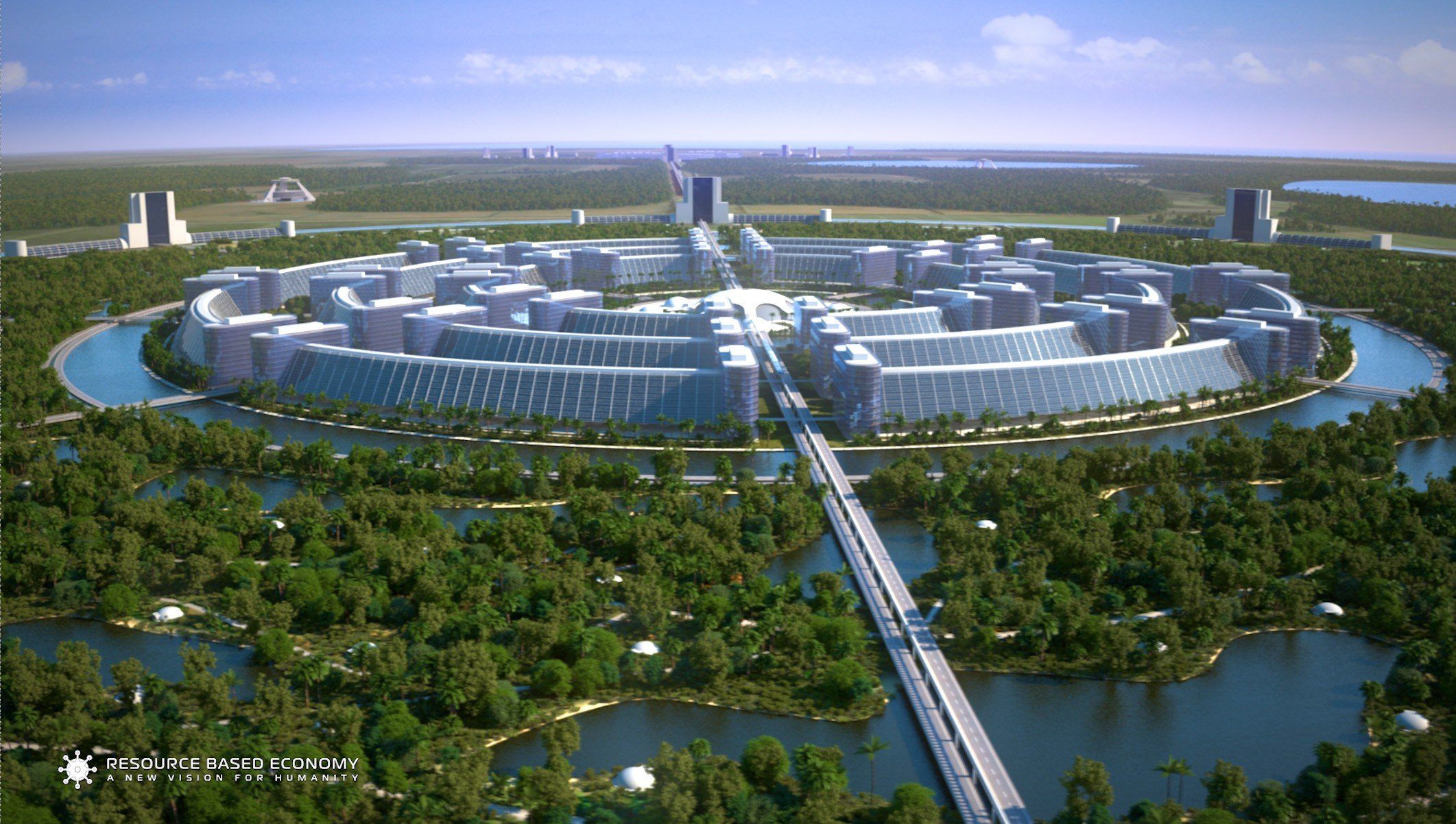
A Resource‑Based Economy is an economic model where the management of resources — not money, debt, or profit — becomes the foundation for human wellbeing.
Instead of using currency to control distribution, an RBE aligns:
- natural resources
- human creativity
- technology
- community governance
…to ensure that everyone’s basic needs are met, sustainably and equitably.
It is built on a simple principle:
If resources are abundant and managed intelligently, money becomes unnecessary.
THE 3 CORE IDEAS
1. Access Over Ownership
In an RBE, humans don’t need to own everything individually.
Communities collectively steward:
- tools
- land
- transportation
- energy
- infrastructure
Ownership becomes:
- local
- shared
- service-based
- stewardship‑based
This reduces waste, increases efficiency, and builds community resilience.
2. Intelligent Resource Management
Instead of markets deciding who gets what, a resource-based system uses:
- science
- sustainability metrics
- regenerative design
- AI-assisted planning
- circular economy principles
…to ensure long-term abundance.
The goal is to manage resources, not money.
3. Alignment With Human and Planetary Wellbeing
An RBE isn’t just economic — it’s holistic.
It focuses on:
- environmental regeneration
- human wellbeing
- community cohesion
- equitable distribution
- resilience over profit
Every decision is guided by:
“Does this increase the capacity of people and the planet?”
HOW RBE CONNECTS TO THE SOVEREIGN LIFE BLUEPRINT
A Resource‑Based Economy is essentially the macro version of your:
- sovereign Life Base
- Sovereign Fund
- food + water + energy systems
- creator-based communities
- regenerative villages
- positive-sum citizenship
Your model is the individual version.
RBE is the global/community version.
They align perfectly.
THE FUTURE RELEVANCE (2025–2040)
We are already seeing early seeds of RBE emerging through:
1. Decentralized Energy Systems
Community-owned:
- solar grids
- micro-hydro
- battery networks
2. Regenerative Agriculture
Local food webs replacing industrial monoculture.
3. Digital + Decentralized Value Networks
Crypto assets and community tokens shifting power away from banks and governments.
4. AI-Assisted Resource Management
AI systems optimizing:
- food production
- energy distribution
- water cycles
- transport efficiency
5. Localized Production (3D printing, robotics)
Communities becoming self-sufficient in:
- building materials
- tools
- essentials
6. Wellness Tech + Soul Tech
Ensuring that human wellbeing is central, not an afterthought.
These trends are paving the way for RBE principles to become normal — not idealistic.
WHAT THIS MEANS FOR CREATORS
The creators who thrive in a resource-based future are those who help society shift towards:
→ Sovereignty
Food, water, energy, creative autonomy.
→ Regeneration
Land, soil, biodiversity.
→ AI-enabled abundance
Using tech to free energy, not replace humanity.
→ Community economies
Shared value, not extractive profit.
→ Distributed ownership
Everyone has a stake in the systems that support them.
Creators become:
- educators
- architects of new systems
- facilitators of sovereignty
- regenerative business builders
- community designers