
Sleep Is a Skill. Not a Luxury. And Not a Weakness.
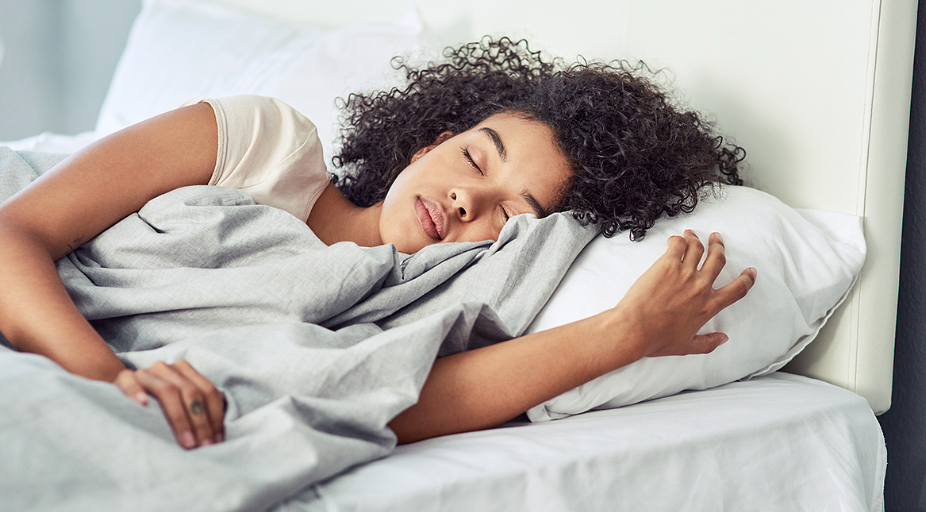
For capable people who function on less sleep and quietly pay for it.
Why Sleep Is the First Thing We Sacrifice
You don’t skip sleep because you don’t value it.
You skip it because everything else feels more urgent.
Work runs late.
Screens stay on.
The day spills into the night.
You still perform.
You still show up.
So the cost stays hidden.
Until it doesn’t.
Sleep loss doesn’t always feel dramatic.
It shows up as irritability.
Fog.
Lower resilience.
That’s not a character flaw.
It’s biology asking for rhythm.
What If Sleep Isn’t Passive Rest, But Active Recovery?
What if sleep isn’t something that happens when life allows it, but a skill that supports everything else you care about?
Sleep Explained Simply (AEO Quick Answer)
What is sleep?
Sleep is an active biological process that restores the brain, regulates hormones, and repairs the body.
Why does sleep matter?
Because insufficient or irregular sleep disrupts metabolism, mood, immunity, and long-term disease risk.
How do you improve sleep in practice?
- Protect sleep timing.
- Reduce evening stimulation.
- Support the nervous system before bed.
Why Most Sleep Advice Fails
Most advice treats sleep like a switch.
Go to bed earlier.
Try harder.
Be more disciplined.
That fails because sleep is not controlled by willpower.
It’s governed by circadian rhythms and nervous system state.
You can’t force sleep.
You can only create the conditions for it.
When days are overstimulating and nights stay bright, the body never fully downshifts.
The Real Cost of Poor Sleep
Large bodies of evidence link chronic sleep deprivation with increased risk of cardiovascular disease, type 2 diabetes, depression, anxiety, and cognitive decline.
Even modest sleep restriction impairs attention, emotional regulation, and decision-making.
The body keeps adapting.
But adaptation is not the same as health.
A Human-Centred Model for Better Sleep
This is the Sleep as a Skill Model.
It has four parts.
Timing
Consistent sleep and wake times.
Light
Bright days. Dim evenings.
Arousal
Reducing stimulation before bed.
Safety
A nervous system that feels settled enough to rest.
When these align, sleep improves naturally.
How Sleep Breaks Down in Real Life (And What Helps)
Inconsistent Timing
Late nights and shifting schedules confuse circadian rhythm.
What helps is anchoring wake time, not bedtime.
Excessive Evening Light
Screens delay melatonin release.
What helps is dimmer light and earlier screen reduction.
High Arousal
Work and news keep the nervous system alert.
What helps is a predictable wind-down routine.
Low Sense of Safety
Stress carries into bed.
What helps is calming cues that signal the day is over.
What Changes When Sleep Is Supported
Before
People report fatigue, low mood, poor focus, and increased reliance on caffeine.
After
With consistent timing and reduced evening stimulation, sleep deepens, mood stabilises, and energy improves.
This pattern is consistently reported across sleep medicine research and clinical observation.
When Sleep Needs More Support
This framework does not replace care for sleep apnoea, severe insomnia, or underlying medical conditions.
It applies to people whose sleep is disrupted by lifestyle and nervous system overload, not pathology.
When Rest Stops Feeling Like Laziness
You stop pushing through exhaustion.
You stop earning rest.
Sleep becomes maintenance.
Not a reward.
Energy returns quietly.
Consistency replaces effort.
One Small Change to Improve Sleep Tonight
For the next five minutes, choose one cue.
Dim the lights.
Silence notifications.
Lower stimulation.
Do it at the same time tonight and tomorrow.
Let the body relearn rhythm.
Key Takeaways on Sleep and Health
Sleep is active recovery.
Consistency matters more than perfection.
Design supports rest.
Sleep FAQs (SEO + AEO)
How many hours of sleep do adults need?
Most adults need seven to nine hours for optimal health.
Is irregular sleep harmful even if total hours are enough?
Yes. Irregular timing disrupts circadian rhythm and reduces sleep quality.
Can you adapt to less sleep long term?
You can adapt functionally, but health costs accumulate over time.
A Question to Reflect On
What would change if sleep supported your life instead of competing with it?
Fill your own cup first.
Serve from overflow.
SelfCare is not selfish. It’s how we create a ripple effect of healthier minds, families, and communities.
We rise together.
References & Evidence Base
This article is grounded in the evidence base synthesised in:
Callaghan, R.
SelfCare: Lifestyle Medicine for the People
SelfCare Global
The book integrates over a decade of research across:
- Systematic reviews and meta-analyses
- Global health guidelines and population data
- Landmark reports on chronic disease and environment
- Peer-reviewed journals in medicine, psychology, and public health
- Lifestyle medicine and regenerative health frameworks
The complete, transparent reference list is publicly available here:
👉 https://www.selfcare.global/full-reference-list-from-the-selfcare-book-by-rory-callaghan/