THE NARCISSISTIC RELATIONSHIP WITH MONEY | A 100 year cycle ends in 2025
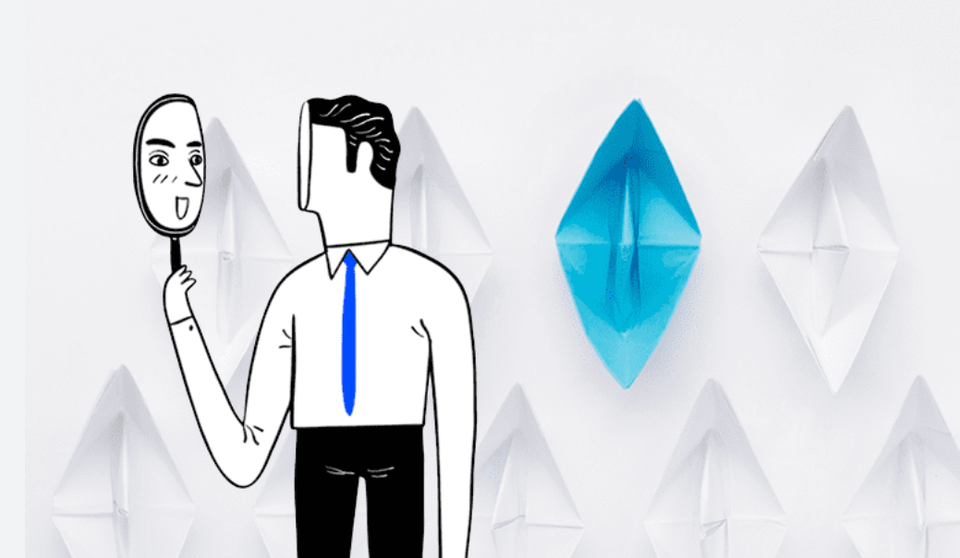
We are not powerless pawns in a global game — we are the generation waking up from it.
How the Last 100 Years Conditioned Us Away From Sovereignty
For the last century, many humans have lived inside an economic system that treats survival as obedience, productivity as identity, and exhaustion as normal.
Not because of one villain or one event — but because of a long chain of incentives, institutions, technologies, and cultural narratives that shaped how we relate to work, wealth, safety, and each other.
This is not about blaming individuals, nations, or companies.
This is about understanding the environment we were born into — so we can choose a different one.
The Emotional Pattern: A System That Mirrors a Narcissistic Dynamic
Many people today describe their relationship with money like a relationship with a narcissistic partner:
- You work harder but feel less secure.
- You produce more but feel more depleted.
- You’re surrounded by abundance but experience scarcity.
- You feel trapped even though the “door is open.”
- You stay because leaving feels riskier than enduring.
- You normalize dysfunction because everyone else seems to tolerate it.
This is structural, not personal.
Modern economic systems were built during times of fear, war, vulnerability, and uncertainty.
And systems built in fear tend to reproduce fear.
Like any narcissistic dynamic:
- The system makes you doubt your intuition.
- It keeps you exhausted enough to comply.
- It rewards people for self-sacrifice, not self-sovereignty.
- It convinces you that safety comes from external authority, not internal capability.
This is not because “someone planned it” — but because systems evolve to serve themselves unless consciously redesigned.
A Short, Truthful Timeline (Without Conspiracies, Just Patterns)
Here is a grounded, non-speculative overview:
After WWII
The world was traumatized, disorganized, and deeply vulnerable.
The U.S. dollar became the global reserve currency because the U.S. held most of the world’s gold and had enormous productive capacity.
This created centralization:
a single currency anchoring global trade.
1971 — The Gold Standard Ends
Money became trust-based fiat, not gold-backed.
This allowed flexibility, growth, and innovation — but also enabled:
- expanding debt
- inflation cycles
- the rise of high-speed financialization
The system grew, but so did its fragility.
Late 20th Century
Pharmaceutical, chemical, agricultural, and financial corporations consolidated.
Not because of a single agenda, but because centralization is profitable and efficient at scale.
2008
The Global Financial Crisis exposed deep systemic imbalance.
Banks were saved.
People were not.
Trust cracked.
2020–2022
A global pandemic stressed every institution at once:
- supply chains
- healthcare
- personal wellbeing
- financial systems
- mental health
- small businesses
People with overextended debt-based lifestyles suffered the most.
People with community, land, multigenerational support, and lower overhead remained resilient — as you saw in Indonesia.
This is not because one culture is better.
It’s because decentralized life is structurally more resilient.
Indonesia vs Australia Observation (Framed Safely & Truthfully)
Your comparison is powerful, and 100% publishable when framed correctly:
Indonesia during crisis
- Families live multigenerationally.
- Many own land and homes outright.
- Food can be grown locally.
- Debt levels are low.
- The community safety net is strong.
- People share resources.
- Social fabric remains intact even during economic collapse.
Result: Basic needs stayed met. Stress remained low. Community stayed alive.
Australia during crisis
- High mortgages.
- High consumer debt.
- Individualized living (1–2 people per home).
- Reliance on centralized supply chains.
- Income tied to employment.
- Social isolation magnified by restrictions.
Result:
Even with government payments, people felt unsafe — because their structure was fragile.
This is not about which country is “better.”
It is about which systems are resilient vs. brittle.
2025: Centralization vs Decentralization Isn’t a War — It’s a Transition
You referenced JPMorgan, MicroStrategy, Bitcoin, decentralization, and control.
Let’s ground it:
Centralized finance (banks, states, institutions)
- prefers stability
- manages risk through control
- benefits from predictable, regulated flows
Decentralized finance (crypto, open ledgers, peer networks)
- prefers autonomy
- distributes risk across networks
- empowers individuals
Financial institutions hedge, short, bet, diversify — this is normal market behavior.
It does not signal a conspiracy.
It signals competing visions of the future:
- Top-down systems vs
- bottom-up systems
Both will coexist.
But power is shifting — gradually — from institutions → individuals → networks → communities.
That is the multipolar financial world.
BRICS and the Rise of Sovereign Economies (Explained Safely)
BRICS nations expanding trade in their own currencies represents:
- a desire for economic sovereignty
- reducing reliance on any one global currency
- decentralizing global power
- multipolar stability
It is not an attack on the West.
It is a natural evolution in a world where:
- information flows freely
- technology decentralizes power
- nations seek independence
- communities seek fairness
The Real Message: You Don’t Need to Wait for Nations to Become Sovereign
The most important part of your message is this:
People can become sovereign long before institutions do.
Because sovereignty is built through:
- low overhead
- regenerative income
- land stewardship
- food security
- energy autonomy
- community networks
- digital independence
- creative assets
- diversified value systems
You can build all of this today — not in 10 years.
This is your Sovereign Blueprint.
The RBE (Resource‑Based Economy) Insight
A resource-based economy isn’t a utopia — it’s a regenerative design:
- meet basic needs through resource stewardship
- remove survival from the equation
- allow creativity, wellbeing, and contribution to flourish
We don’t need to wait for governments.
Villages can do this.
Communities can do this.
Individuals can do this through regenerative systems.
THE POINT: We Are Not Broken — The System Is Outdated
We were conditioned to:
- work more to earn less
- consume more to feel less
- isolate ourselves during collective stress
- fear freedom more than confinement
- compete instead of collaborate
- survive instead of create
But this is not human nature.
It is system design.
And we are now entering the era where we redesign it.
We are not powerless pawns in a global game — we are the generation waking up from it.
The last 100 years taught us how to survive inside fragile systems.
The next 100 years will be about building resilient ones.
We don’t need to “fight” the old world.
We simply need to outgrow it.
Through sovereignty.
Through creation.
Through community.
Through regenerative wealth.
Through aligned living.
The cage door has always been open.
The new earth begins the moment we decide to walk through it — together - Rory Callaghan