
The Problem Was Never Housing, Health, or Education | Fragmentation
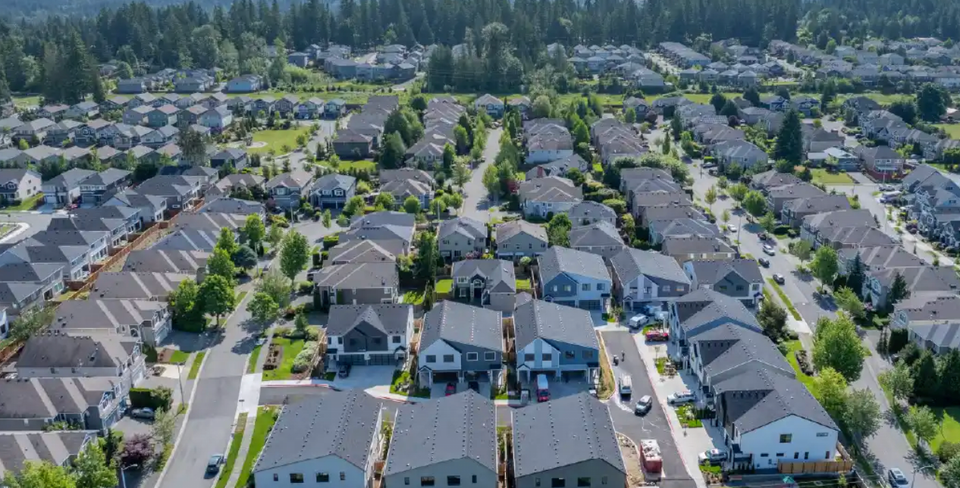
Why Fragmentation — Not Failure — Is What Broke Our Systems
We Didn’t Fail to Solve the Problems
We Failed to Connect Them
We didn’t fail to build housing.
We didn’t fail to deliver healthcare.
We didn’t fail to educate.
We failed to design systems that talk to each other.
So we treated symptoms in isolation.
Housing policy focused on units.
Health policy focused on treatment.
Education policy focused on compliance and testing.
Each system optimized for its own metrics.
None optimized for human life.
The outcome was predictable.
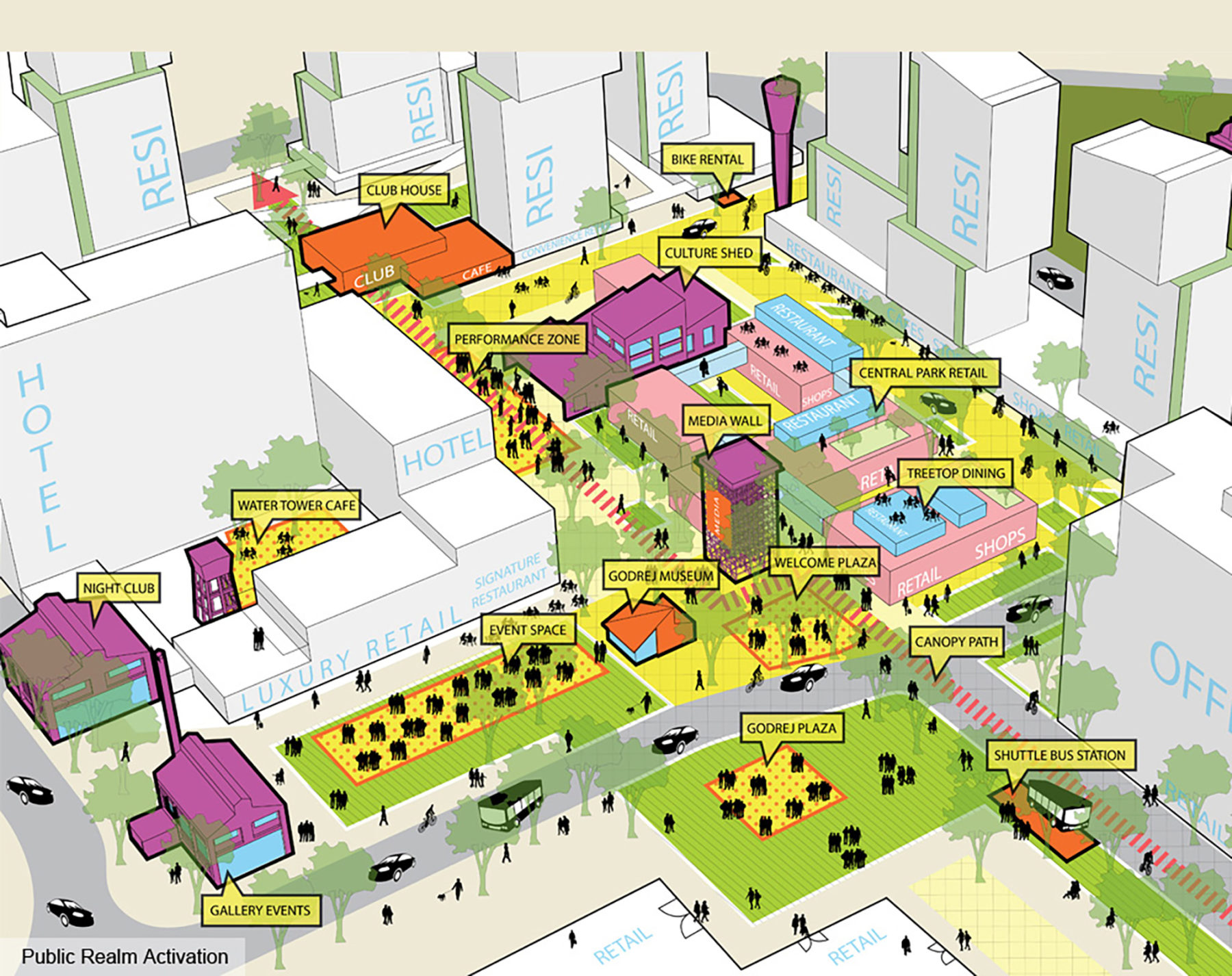
Fragmentation Produces Exactly What We See
People live farther apart.
They move less.
They learn less by doing.
They get sick earlier.
They cost more to support.
This wasn’t incompetence.
It was design.
The Worldview That Shaped the System
The dominant model assumed:
- Humans are independent units
- Systems operate separately
- Problems can be isolated
- Growth is linear
- Scale beats connection
That worldview shaped everything.
Zoning laws.
School design.
Healthcare delivery.
Urban planning.
And it produced exactly what it was designed to produce.
Dependency.
The Shift: Humans Are Not Units
They Are Nodes in Living Systems
Here is the reframing.
Health is not delivered.
It emerges from environment.
Education is not transmitted.
It unfolds through participation.
Housing is not shelter.
It is infrastructure for life.
Once you see this, the solution stops being complex.

The Master Insight: Fix Environments, Not People
Stop trying to correct behavior.
Start designing conditions.
When environments change, behavior follows automatically.
This is not theory.
It is how biology works.
Principle One: Design for Real Behavior, Not Ideal Citizens
Policies fail because they assume discipline.
Good design removes the need for it.
If people must schedule exercise, the environment failed.
If children must be forced to learn, the system failed.
If community must be “programmed,” design failed.
The solution is not motivation.
It is inevitability.
Make walking unavoidable.
Make learning unavoidable.
Make social contact unavoidable.
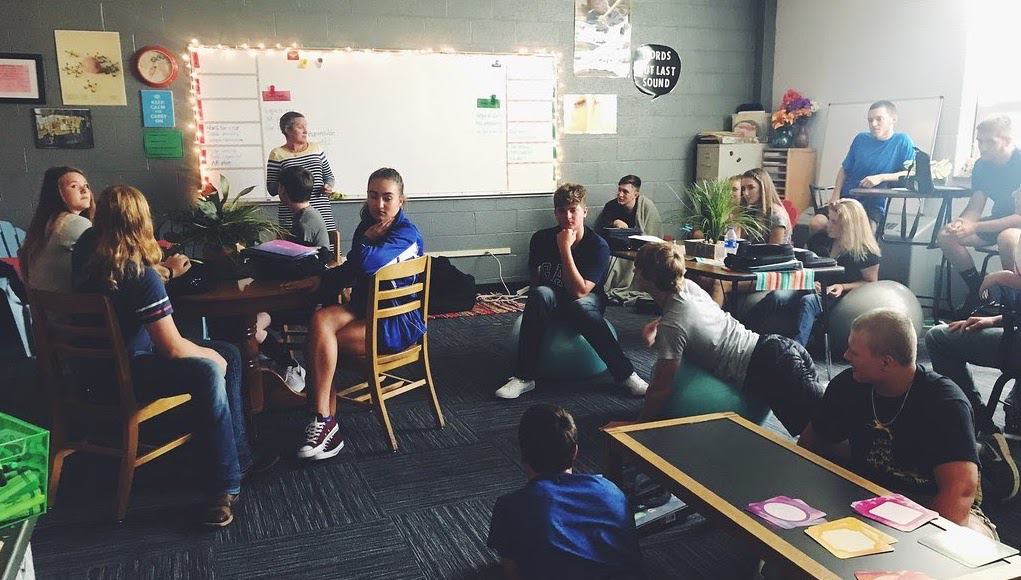
Principle Two: Reunite What We Artificially Separated
Modern systems pulled life apart.
Work over here.
Home over there.
School somewhere else.
Food somewhere far away.
Then we sold reconnection back as services.
The master solution reverses this.
Homes near food.
Learning embedded in daily life.
Work integrated with community.
Care shared, not outsourced.
This is not nostalgia.
It is efficiency.
Principle Three: Replace Institutions With Patterns
Centralized institutions do not scale well.
Patterns do.
The future is not one perfect system rolled out everywhere.
It is a simple pattern replicated locally.
One shared space.
One learning screen.
One trusted adult.
One daily rhythm.
One community at a time.
Education becomes access, not administration.
Health becomes lifestyle, not treatment.
Housing becomes a hub, not a box.
Principle Four: Measure What Actually Matters
Stop measuring outputs.
Start measuring outcomes.
Replace:
- Units built
- Tests passed
- Procedures billed
With:
- Steps walked daily
- Children learning independently
- Neighbors who know each other
- Chronic disease avoided
- Time reclaimed
What we measure is what we build.
Principle Five: Local Ownership, Global Access
The solution is not control.
It is permission.
Local communities own assets.
Global knowledge stays open.
Funding supports infrastructure, not dependency.
Install access.
Train one person.
Step back.
This is how systems scale without breaking.
What This Looks Like When It Works
A neighborhood designed this way:
- Reduces healthcare costs without medical intervention
- Improves education without standardized pressure
- Lowers crime without surveillance
- Increases resilience without bureaucracy
Not because people changed.
Because the environment did.
This Is Already Working — Quietly
These models already exist.
They’re called:
- Walkable towns
- Learning villages
- Blue Zones
- Commons-based communities
They work wherever they are allowed to.
Why This Hasn’t Scaled Yet
Because it changes power dynamics.
Healthy, educated, connected people:
- Need fewer services
- Buy less noise
- Think more independently
Systems built on extraction do not favor resilience.
That is the real resistance.
The Rewrite We Actually Need
We don’t need better policies.
We need a better frame.
Housing is health infrastructure.
Education is a community function.
Health is environmental design.
Solve them together —
or fail at all three.
The Real Future
The future will not be built by fixing broken systems.
It will be built by replacing them with environments
that make breakdown rare.
This is not radical.
It is overdue.
Closing Question
If you were designing for human life — not institutional convenience — what would you change first?