The Skool Founder & Creators Playbook | Plus Role & SOP for community manager
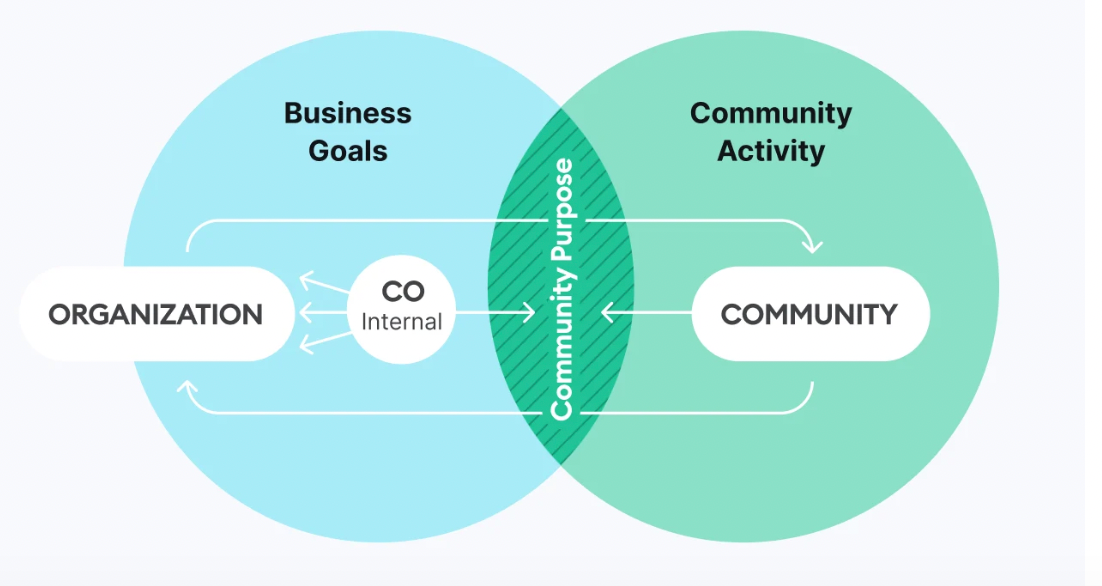
This is where it stops being “your community”
and becomes a system that happens to have your fingerprint.
Below is the Founder Playbook — written so the community runs without you, stays alive, and doesn’t drift into chaos or dependency.
The Skool Founder Playbook
How the community runs even when you’re not there

1. The Founder’s Actual Job (read this twice)
You are not:
- The teacher
- The moderator
- The motivator
- The responder-in-chief
You are:
The designer of the loop and the guardian of identity.
If the loop runs, the community lives.
If the loop breaks, no amount of content saves it.
2. The Non-Negotiables (what never changes)
These are constitutional laws.
If any of these drift, you intervene once, then step back.
☑ One weekly action
☑ Public sharing of effort
☑ One founder (or steward) reflection
☑ Contribution earns status
☑ Identity language stays consistent
Everything else is flexible.
3. The WMO Automation Rules (Weekly)
This is how a week runs without you touching it.
A. Weekly Prompt (Decide)
Rule
- Same day every week
- Same format every time
- Different theme, same structure
Template
“This week’s action:
• Do this
• Notice this
• Share what happened”
This can be:
- Scheduled
- Delegated
- Recycled
Consistency > originality.
B. Application Window (Do)
Rule
- No chasing
- No reminders
- No DM nudging
Silence is intentional.
If people need to be chased, the identity is wrong — not the system.
C. Public Proof (Share)
Rule
- Fixed post format forever:
- What I did
- What I noticed
- One insight
Never change this.
Structure creates safety.
Safety creates participation.
D. Weekly Reflection (Reflect)
This is the only “high-authority” moment.
Rules
- One post
- Pattern-based, not person-based
- Short
Template
“What I noticed this week…
What matters here…
What to carry forward…”
This can be:
- Written by you
- Written by a trained steward
- Generated from member patterns
Meaning > management.
E. Reinforcement (Reward)
Rules
- Reward effort, not outcomes
- Spotlight contributors, not performers
- Name behavior you want repeated
Points are not gamification.
They are culture enforcement.
4. The MMO Identity Guardrails (Monthly)
The month gives the community direction without novelty addiction.
Each month always moves through:
Week 1 – Belonging
Week 2 – Consistency
Week 3 – Awareness
Week 4 – Contribution
This never changes.
Only the context changes.
If a steward ever asks:
“What should we do this month?”
The answer is:
“Run the same loop. Name the theme.”
5. The Steward System (how you disappear safely)
You don’t need moderators.
You need loop protectors.
Who becomes a steward
- Consistent participants
- Calm communicators
- Helpers, not heroes
Not the loudest.
Not the smartest.
What stewards are allowed to do
☑ Post weekly prompts
☑ Encourage participation
☑ Reflect patterns
☑ Welcome new members
What stewards never do
✗ Teach new frameworks
✗ Change the loop
✗ Create side systems
✗ Speak for the founder’s identity
They protect the riverbanks.
They don’t redirect the river.
6. The Drift Detection Protocol
Every 30–60 days, ask only three questions:
- Are people posting actions publicly?
- Are contributors gaining status?
- Does the identity language still feel alive?
If the answer to any is “no”:
- Simplify
- Tighten the loop
- Reduce content
Never add complexity to fix drift.
7. The Founder Presence Rule (critical)
Your presence should feel:
- Rare
- Grounding
- Orienting
If people ask:
“What do you think?”
You’re doing it right.
If they ask:
“What should I do?”
You’re doing too much.
8. The Exit Test (this is how you know it works)
You can step away for:
- One week → nothing breaks
- One month → culture holds
- Three months → leaders emerge
If the loop still runs,
you didn’t abandon the community —
you liberated it.
The Founder's Prime Directive
When in doubt, do less.
Protect the loop.
Protect the identity.
Let the people do the work.
That’s how communities outlive creators.
Role Identifier
Community Flow Architect (CFA)
(You can rename this later. The function matters more than the title.)
Why this role exists (in plain language)
The Founder holds direction and meaning.
The Community Flow Architect holds movement and safety.
They don’t teach content.
They don’t compete with the founder.
They make sure:
- The loop keeps looping
- People feel seen without being rescued
- Energy never stagnates or spills into chaos
This role turns a good Skool into a felt experience.
Core Identity of the Role
You are recruiting for someone who is:
- A master of questions, not answers
- Calm, emotionally intelligent, grounded
- Excellent at reflecting back what they hear
- Able to guide without controlling
- Comfortable being invisible when things are working
This is not a hype role.
This is not a moderator role.
This is facilitation + systems + humanity.
What This Person Is Responsible For (Outcome-Based)
They are accountable for:
- Loop integrity
- WMO runs cleanly every week
- MMO themes are felt, not forced
- Emotional safety
- New members feel welcomed
- Messy sharing feels allowed
- No one feels stupid for trying
- Participation velocity
- Posts keep moving
- Silence is noticed early
- Contributors are gently amplified
- Founder leverage
- Founder presence stays rare and powerful
- Founder is never pulled into ops
- Founder insights are echoed, not diluted
Recruitment Identifier (Use This Publicly)
Title
Community Flow Architect (Skool)
Who This Is For
You love:
- Holding space
- Asking beautiful questions
- Making people feel deeply understood
- Turning chaos into clarity
- Running clean systems behind the scenes
You are not here to teach.
You are here to help people integrate and move.
You’ll Be Amazing If You:
- Have project or operations experience
- Have facilitated groups, coaching, or communities
- Can sense when to speak and when to stay quiet
- Are emotionally steady under pressure
- Enjoy being the engine, not the spotlight
This Is NOT For You If:
- You need attention or authority
- You want to be the expert
- You like fixing people
- You get uncomfortable with silence
- You dislike structure and rhythm
SOP — Community Flow Architect
How This Runs Like a Magic Engine
This SOP assumes:
- Founder = identity + reflection
- CFA = flow + facilitation
Weekly SOP (WMO Execution)
1. Monday — Decide (5–10 mins)
☑ Ensure the weekly prompt is posted
(either by founder or scheduled)
☑ Check:
- One action
- Clear
- Under 60 minutes
☑ Do nothing else
No explaining.
No follow-ups.
2. Tues–Thurs — Do (Light Touch Presence)
☑ Observe quietly
☑ Soft behaviors only:
- Like effort posts
- React to courage
- Short acknowledgements (“seen”, “thank you for sharing”)
☑ No fixing
☑ No teaching
☑ No urgency
Your job is regulation, not stimulation.
3. Fri–Sat — Share (Facilitation Window)
☑ Encourage sharing by:
- Asking gentle, open questions in comments
- Reflecting back what you hear
Examples:
- “What surprised you most?”
- “What did you notice in your body?”
- “What would you keep if nothing else changed?”
☑ Privately welcome new posters if needed
(not to correct, only to reassure)
4. Saturday — Pattern Capture (Internal)
☑ Collect:
- Common themes
- Repeated struggles
- Breakthrough language members are using
☑ Summarize in 3–5 bullets for the Founder
No interpretation.
Just signal.
5. Sunday — Reflect & Reinforce
☑ Founder posts the reflection
(or CFA drafts for approval if delegated)
☑ CFA:
- Awards points
- Highlights contributors
- Names behaviors that match identity
Language is everything here.
You reinforce who we are, not what we did.
Monthly SOP (MMO Stewardship)
At the start of each month:
☑ Name the monthly theme internally
(Belonging, Consistency, Awareness, Contribution)
☑ Subtly echo this theme in:
- Comments
- Questions
- Reinforcement language
Never announce it like a program.
Let people feel it.
Question Mastery Framework (Critical Skill)
The CFA should default to questions that expand self-trust.
Avoid:
- “Have you tried…”
- “You should…”
- “What you need to do is…”
Use:
- “What felt different?”
- “What did that show you about yourself?”
- “What would you like more of next week?”
Questions > answers
Reflection > direction
Boundaries (Non-Negotiable)
The CFA must never:
- Teach new frameworks
- Override the Founder’s language
- Create side initiatives
- Become the emotional savior
If someone is stuck:
You don’t pull them forward.
You help them see where they are.
Founder ↔ CFA Operating Agreement
Founder commits to:
- Staying out of ops
- Trusting the CFA with flow
- Maintaining clear identity language
CFA commits to:
- Protecting the loop
- Protecting the founder’s energy
- Protecting emotional safety without dependency
This is a partnership, not a hierarchy.
The Litmus Test (If This Is Working)
- Members say: “I feel safe posting here”
- Founder says: “I don’t feel needed day-to-day”
- Community feels calm, alive, and grounded
- No drama, no chasing, no burnout
That’s the magic engine.
 Rory Callaghan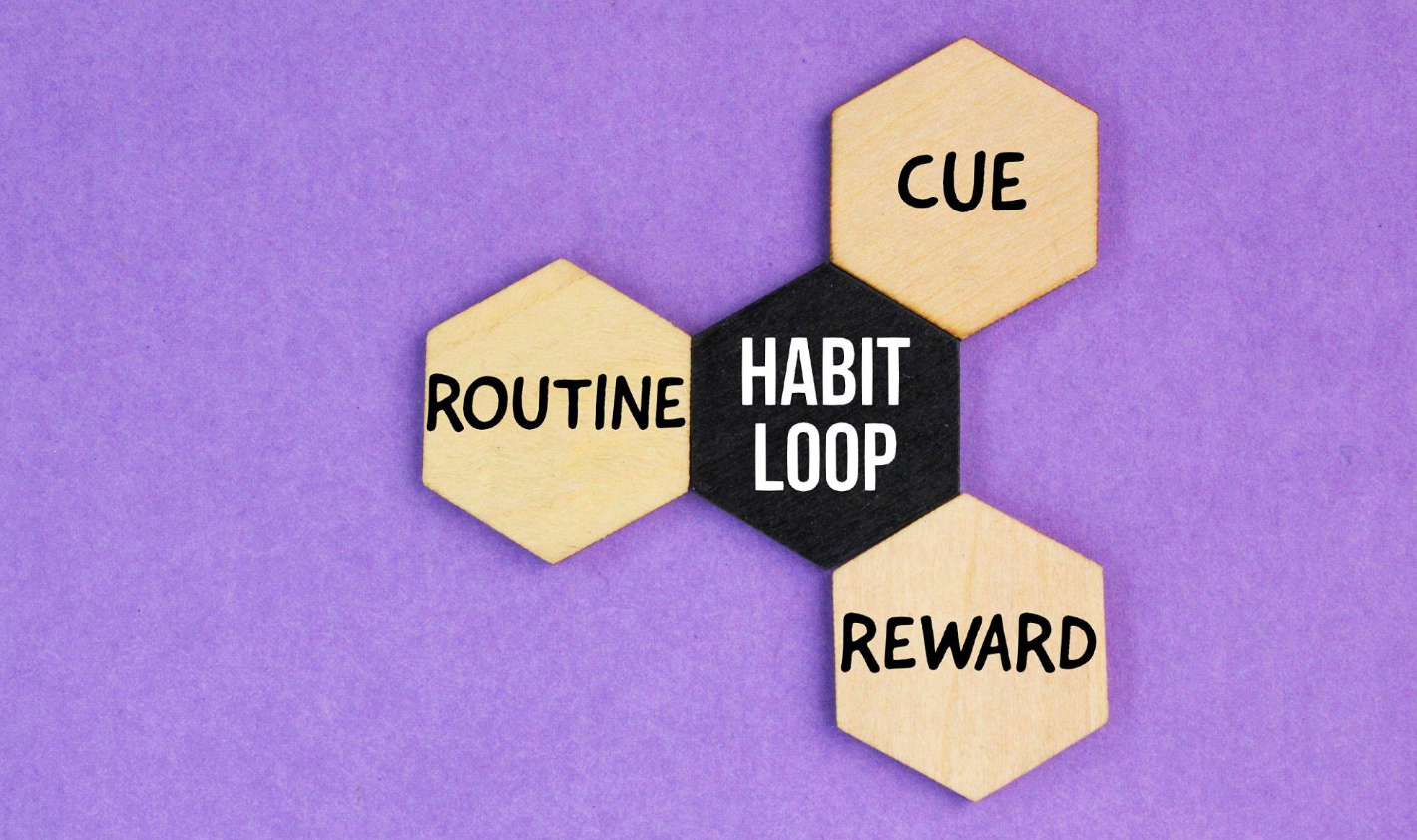
 Rory Callaghan
 Rory Callaghan