
Trust Is Built by Asking for Help
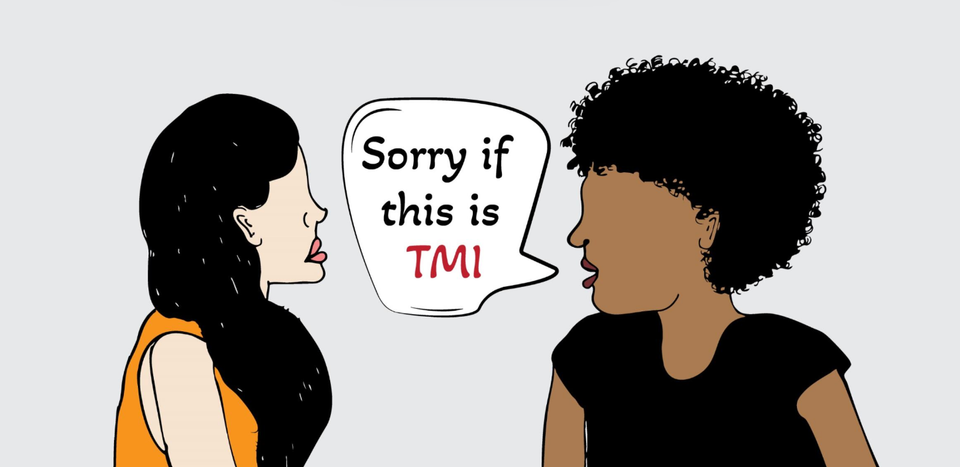
Why Vulnerability Creates Stronger Bonds Than Strength Ever Could & Why Strength Alone Still Leaves Us Isolated
Everyone wants trust.
Few people know how it actually forms.
We stay strong.
We offer help.
We carry our weight quietly.
And still feel alone.
Strength earns respect.
But it rarely earns closeness.
The Question Most People Are Afraid to Ask
What if trust isn’t built by being strong for others —
but by letting others be strong for you?

The Simple Truth About How Trust Actually Forms
Trust is built by asking for help because vulnerability creates shared investment.
When someone supports you in a moment of real need, connection deepens through participation, not performance.
That bond cannot be replicated by competence alone.
Why This Idea Lands So Hard
This insight is often attributed to Simon Sinek because it names something people already feel but rarely say out loud:
We do not build trust by offering help.
We build trust by asking for it.
It feels counterintuitive.
That’s how you know it’s true.
Why Asking for Help Feels Risky but Works
Offering help feels generous.
Asking for help feels exposed.
But trust is not admiration.
It is shared responsibility.
When you ask, you invite someone into the story.
That invitation changes the relationship.
The Trust Loop That Vulnerability Activates
Trust forms through a simple loop:
- You acknowledge a real need
- You name it clearly
- Someone steps in
- Meaning is shared on both sides
Offering help skips the loop.
Asking for help completes it.
Why Waiting to Be Noticed Rarely Works
Everyone knows this feeling.
Being low.
Hoping someone will notice.
Hoping they will sense the shift and arrive without being asked.
That rarely happens.
Not because people don’t care.
Because minds are not readable.
Silence is often misread as strength.
How to Ask for Help Without Oversharing
Healthy asking is not collapse.
It is specific.
Bounded.
Human.
“I’m not okay.”
“I need support.”
“I can’t do this alone right now.”
This is not oversharing.
This is orientation.
When Asking for Help Becomes Unhealthy
This does not mean:
- Trauma dumping
- Making others responsible for your emotions
- Asking constantly without reciprocity
Trust grows through mutuality, not dependence.
The Identity Shift From Self-Sufficiency to Connection
If you are always the strong one, let yourself be seen needing support too.
Not dramatically.
Not constantly.
Honestly.
You give others permission to ask when their time comes.
Strength that never bends eventually breaks.
One Honest Ask That Changes Everything
Today, send one simple message.
Not polished.
Not dramatic.
Just true.
“I could use some support right now.”
What This Changes in the Long Run
- Relationships deepen
- Loneliness softens
- Trust compounds
- Support becomes reciprocal
Connection is not optional.
It is biological.
The Quiet Truth About Trust
Trust does not grow through performance.
It grows through permission.
Permission to be seen.
Permission to ask.
Permission to support and be supported.
We do not build trust by standing strong alone.
We build it the moment we say:
“I can’t do this by myself.”
And let someone step in.
Closing Question
Who in your life might feel honoured — not burdened — if you let them help you?