
We Don’t Have a Health Crisis or an Education Crisis

We Have a Design Crisis
The Headlines Change. The Diagnosis Doesn’t.
Every few months, the same story resurfaces.
Healthcare systems are collapsing.
Education systems are failing.
Costs are rising. Outcomes are falling. Burnout is everywhere.
The proposed solutions rarely change.
More funding.
More technology.
More experts.
More reform.
And yet, nothing fundamentally improves.
Because we keep misdiagnosing the problem.

These Systems Are Not Broken
They Are Performing as Designed
Health and education are often described as failing systems.
They are not.
They are doing exactly what they were built to do.
They were never designed to produce healthy, self-directed humans.
They were designed to manage populations.
Once you see that, the results stop being surprising.
The Shared Root Problem
Modern healthcare is reactive.
Modern education is extractive.
Healthcare waits for bodies to break, then intervenes downstream with expensive tools.
Education waits for curiosity to fade, then replaces it with compliance and testing.
Both systems focus on symptoms.
Neither focuses on environments.
And both ignore the same basic truth.
Humans do not thrive because of services.
They thrive because of conditions.
Health Is Not Created in Hospitals
More than 70 percent of healthcare spending in developed countries goes toward chronic, lifestyle-driven disease.
These conditions are not mysterious.
They are predictable responses to lives shaped by:
- Sedentary behavior
- Ultra-processed food
- Chronic stress
- Social isolation
- Lack of purpose
Yet we invest almost nothing in designing lives that prevent these conditions upstream.
Instead, we build trillion-dollar systems to manage their consequences.
Longevity hotspots around the world reveal the flaw in our thinking.
People live longer not because they optimize health.
They live longer because they never left it.
Movement is built into daily life.
Food is local and shared.
Community buffers stress.
Purpose is assumed, not searched for.
Health emerges from environment.
Learning Is Not Created in Classrooms
Education fails for the same reason.
We treat learning as something delivered by institutions instead of something unlocked by access.
Modern schooling prioritizes:
- Standardization
- Age segregation
- Compliance
- Credentialing
Curiosity declines year after year.
At the same time, the contradiction grows harder to ignore.
The world has never had more free, high-quality knowledge.
Digital libraries.
Open universities.
AI tutors.
The knowledge exists.
Access does not.
Geography, infrastructure, language, and bureaucracy still gate learning.
Children don’t fail because they lack intelligence.
They fail because learning is removed from life and placed behind systems of control.
The Pattern Is Identical
Health and education break down for the same reason.
They are designed to scale management, not human development.
They treat people as inputs and outputs.
Not as adaptive, curious, relational beings.
Fixing one system in isolation will fail.
Because the problem sits upstream.
What Actually Works
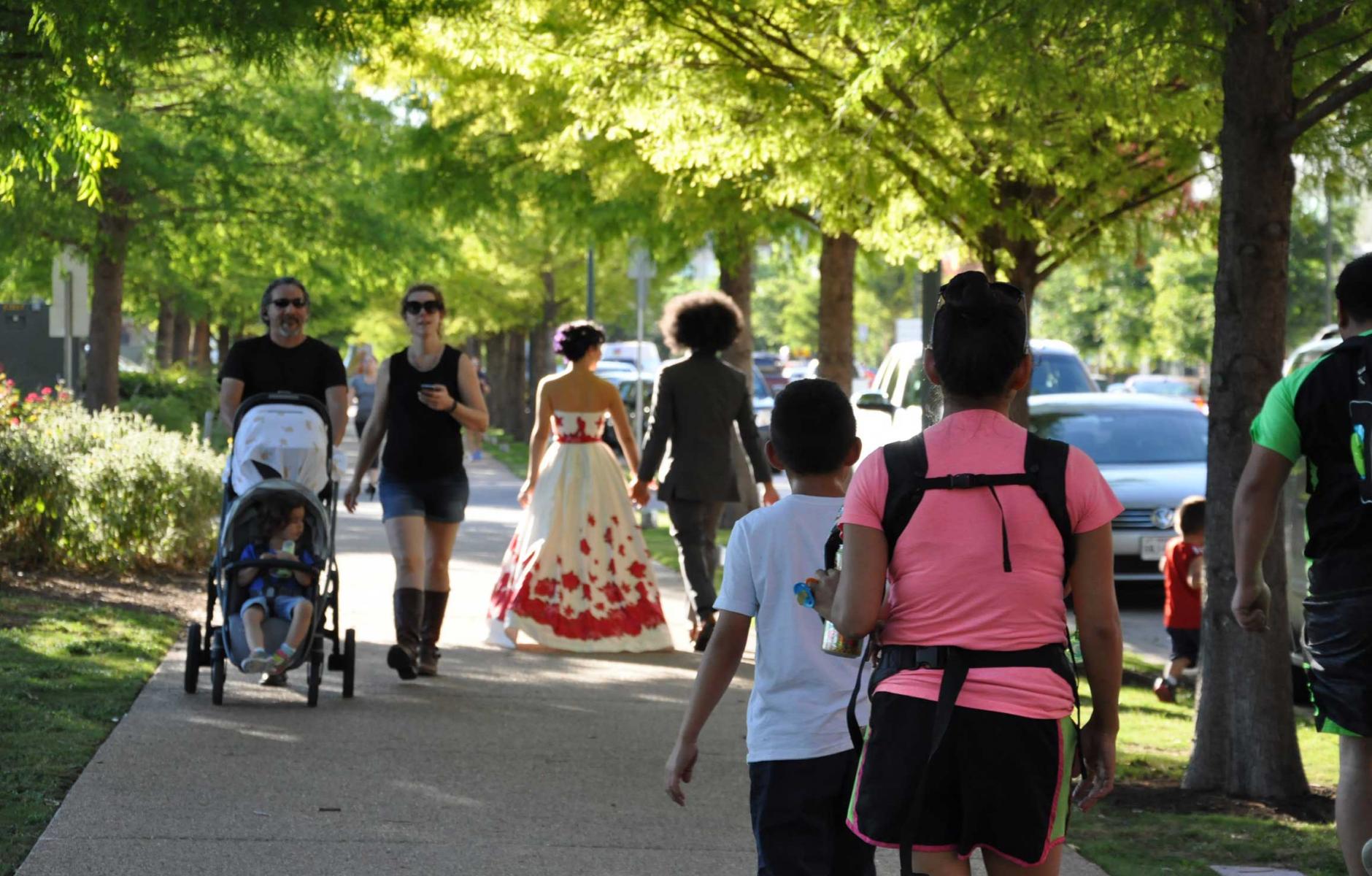
Healthy people emerge from healthy environments.
Capable learners emerge from accessible knowledge.
The solution is not more optimization.
It is better design.
Design environments where:
- Movement is unavoidable
- Food is real
- Community is normal
- Learning is self-paced
- Knowledge is open
- Purpose is lived
This does not require new technology.
It requires different priorities.
Infrastructure Beats Institutions
One screen.
One connection.
One trusted adult.
Education becomes a shared utility, not a gatekept service.
One walkable community.
One shared meal.
One reason to leave the house.
Health becomes a side effect, not a purchase.
Design for life.
Outcomes follow.
The Uncomfortable Truth
A population that is healthy, educated, connected, and self-directed is harder to manage.
It consumes less.
It fears less.
It needs fewer interventions.
That is why these solutions struggle to scale.
Not because they don’t work.
Because they work too well.
The Real Choice
Do we want systems that manage decline?
Or environments that produce flourishing?
You cannot optimize your way out of a badly designed life.
You have to redesign the life itself.
We don’t need better healthcare systems.
We need healthier ways of living.
We don’t need education reform.
We need learning access.
This is not a policy failure.
It is a design choice.
And it is one we are making every day.
Closing Question
If health and education were judged by human outcomes instead of institutional metrics, what would we design differently?