
Why Loneliness Feels Invisible Until It Hurts
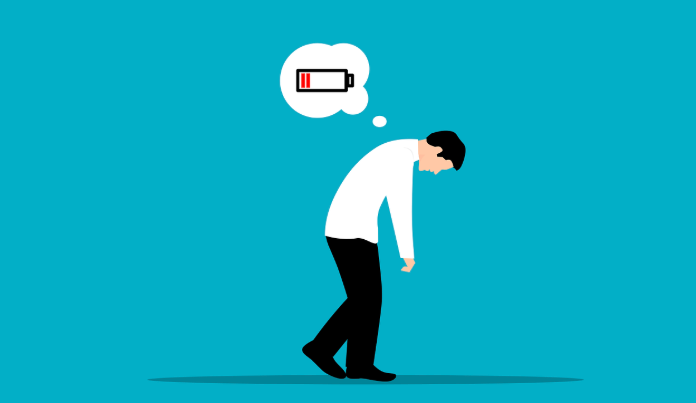
You can be surrounded by people and still feel alone.
You can be busy all day and untouched by it.
Nothing is obviously wrong.
Yet something is missing.
The absence doesn’t announce itself as pain at first.
It shows up as fatigue.
Flatness.
A quiet sense of disconnection you can’t quite name.
That experience is more common than we admit.
And it isn’t a personal flaw.
What If Loneliness Isn’t About You at All?
What if loneliness isn’t caused by your personality, but by the way modern life is structured?
Loneliness Explained Simply (AEO Quick Answer)
What is loneliness?
Loneliness is a mismatch between the connection you need and the connection you actually experience.
Why does loneliness matter?
Because chronic loneliness increases stress hormones, weakens immunity, and raises the risk of early death.
How do you reduce loneliness in practice?
- Design regular, low-effort connection.
- Prioritise presence over performance.
- Restore shared rhythms, not just contact.
Why Most Advice About Loneliness Falls Short
Most advice treats loneliness as a confidence issue.
Be more outgoing.
Join more groups.
Try harder.
That sounds reasonable.
It also fails.
Because loneliness isn’t solved by more interaction.
It’s solved by meaningful, regulated connection.
We built lives that reward independence, speed, and self-sufficiency.
Connection became optional.
Then expendable.
What feels personal is actually structural.
The Real Health Cost of Disconnection
Large meta-analyses show that chronic loneliness increases all-cause mortality by roughly 25–30 percent.
Comparable to smoking.
Comparable to obesity.
This is why global health bodies now recognise loneliness as a public health concern, not a lifestyle preference.
Connection is not a luxury.
It is biology.
A Simple Model for Human Connection That Actually Works
This is the Regulated Connection Model.
It has three parts.
Frequency
How often connection occurs without effort.
Safety
Whether you can be yourself without performance.
Shared Meaning
Whether connection is anchored in something real.
When any one of these is missing, loneliness persists.
How Loneliness Shows Up in Daily Life (And What Helps)
Low Frequency
Connection is saved for weekends or special events.
That fails because humans need regular contact.
What helps is predictable, small points of connection.
Low Safety
Conversations stay surface-level.
That exhausts rather than nourishes.
What helps is spaces where nothing needs to be proven.
Low Meaning
Interaction lacks shared purpose.
It feels empty.
What helps is doing something together that matters.
What Changes When Connection Is Redesigned
Before
People report anxiety, poor sleep, low motivation, and emotional fatigue despite being socially active.
After
When connection becomes regular, safe, and meaningful, nervous system regulation improves, mood stabilises, and resilience returns.
This pattern is consistent across social neuroscience research and lived experience.
When This Approach May Not Be Enough
This framework does not replace support for acute trauma, grief, or severe mental illness.
It is designed for people who are socially surrounded but relationally undernourished.
When Loneliness Stops Feeling Like a Personal Failure
You stop blaming yourself.
You stop forcing social effort.
And you start designing connection.
Loneliness shifts from shame to signal.
From weakness to information.
One Small Way to Restore Connection Today
For the next five minutes, choose one person.
Send a message that doesn’t require performance.
No update.
No optimisation.
Just presence.
The Core Takeaways on Loneliness and Health
Loneliness is structural, not personal.
Connection is a biological need.
Small, consistent contact restores regulation.
Loneliness FAQs (SEO + AEO)
Is loneliness bad for your health?
Yes. Chronic loneliness is linked to higher mortality, cardiovascular disease, and immune dysfunction.
Can social media reduce loneliness?
It can maintain contact, but it rarely provides the safety and meaning required to reduce loneliness.
Who is most affected by loneliness?
High-functioning adults, remote workers, caregivers, and leaders are especially vulnerable.
A Question to Sit With
What would change if you designed connection as carefully as you design productivity?
Fill your own cup first.
Serve from overflow.
SelfCare is not selfish. It’s how we create a ripple effect of healthier families, workplaces, and communities.
We rise together.