You Can’t Out-Strategize a Dysregulated Nervous System | Why Safety Is the Real Foundation of Sustainable Creation
A field note from inside the Co-Creator Incubator, Week 1
What Became Obvious Beneath the Conversations
Something subtle but consistent showed up alongside the conversations about offers, clarity, and structure.
Fatigue.
Tightness.
A carefulness around commitment.
Not apathy.
Not lack of desire.
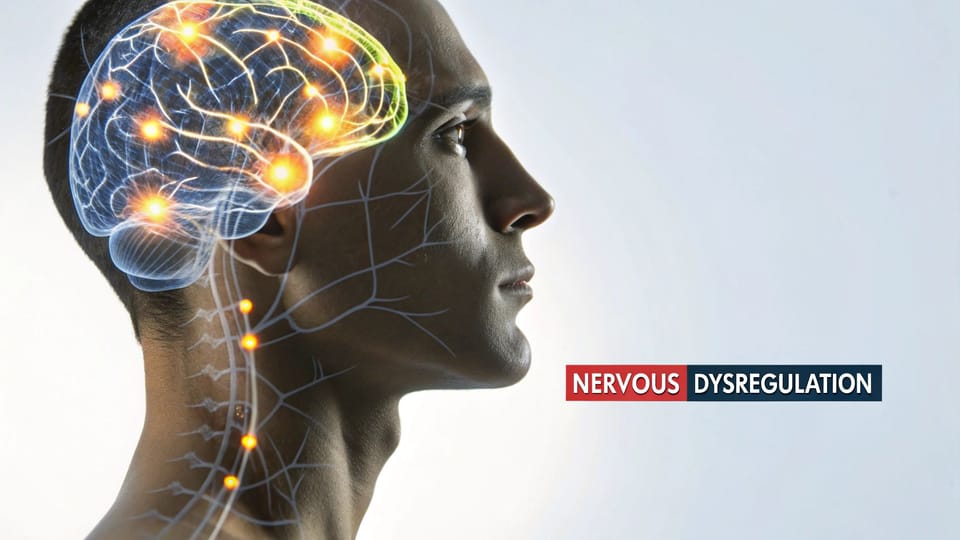
Nervous system load.
Many participants were highly capable—and already carrying too much.
The Pain That Strategy Can’t Touch
Across very different roles—healers, facilitators, technologists, builders—the same undercurrent appeared:
- chronic over-giving
- long recovery cycles
- fear of recreating old burnout patterns through work
- hyper-responsibility for outcomes
This didn’t present as collapse.
It presented as constraint.
People could think clearly.
But their bodies didn’t trust speed.
And when the nervous system doesn’t feel safe, strategy doesn’t integrate.
Why This Keeps Getting Missed
In many creation spaces, safety is assumed.
We say things like:
- “Go at your own pace.”
- “Listen to your body.”
- “There’s no pressure.”
But the systems underneath still reward:
- urgency
- output
- consistency without rest
The body notices the mismatch—even when the language sounds supportive.
So people self-regulate by pulling back, slowing down, or staying vague.
Not because they’re resistant.
Because they’re protecting themselves.
A Key Reframe Emerging Inside the Container
Here’s the shift that began to settle things:
Regulation is not a personal responsibility.
It’s a design principle.
Safety doesn’t come from intention alone.
It comes from predictable structure, humane pacing, and clear edges.
Leadership is not intensity.
Leadership is containment.
The Core Insight from Week 1
You can’t build something sustainable
on a nervous system that’s bracing for impact.
Pressure creates movement—but rarely coherence.
Safety creates consistency.
What Nervous System–Aware Creation Actually Looks Like
Not softness.
Not stagnation.
But things like:
- fewer commitments, kept reliably
- clear rhythms instead of constant push
- timelines that account for recovery
- enough margin to feel choice
When these are present, energy stops leaking.
People don’t need to self-protect.
They can actually build.
What Shifted When This Was Named
Once safety was made explicit—not implied—something changed in the room.
People stopped apologizing for needing space.
Decisions became cleaner.
“Yes” and “no” carried less charge.
Instead of asking,
“How much can I handle?”
The question became,
“What pace can my system trust?”
That question leads to better work.
Where This Can Be Misused (And How We Avoid That)
Safety is not an excuse to avoid friction.
Growth still stretches.
But stretch without recovery creates threat.
And threat collapses learning.
Inside the incubator, we’re not removing challenge.
We’re removing unnecessary nervous system strain.
There’s a difference.
The Quiet Operating Principle We’re Adopting
Consistency beats force.
Pacing beats urgency.
Safety beats speed.
Not forever.
But for anything meant to last.
One Grounded Action for This Week
Audit your current creation rhythm:
- Where are you sprinting without a real reason?
- Where are you mistaking urgency for importance?
- What would “slower but steadier” look like this week?
Adjust one thing—not everything.
Your nervous system will tell you if it’s right.
A Short Memory Anchor
If your body doesn’t feel safe,
your strategy won’t stick.
FAQ — For Creators Reading from the Outside
Isn’t pressure sometimes necessary to move forward?
Pressure can initiate movement. Safety determines whether it lasts.
How do I know if I’m actually dysregulated or just uncomfortable?
Discomfort still allows curiosity. Dysregulation collapses it.
Won’t this slow everything down?
Usually the opposite. It reduces stops, starts, and burnout cycles.
A Closing Reflection
If building feels heavy, scattered, or draining,
the issue may not be your plan.
It may be your pace.
Join the Community