
The Story of the Little Light | A bedtime story about forgetting, and remembering together.
Rory Callaghan, SelfCare Global
Before we begin
I think this is the ultimate test. If a six-year-old cannot understand
it, we probably do not understand it deeply enough ourselves.
I would not teach a child about Yaldabaoth, or archons, or aeons.
I would teach the human experience those symbols point to. Then
later, as they grow, they can discover that many cultures told the
same story using different characters.
So I built it as a fairy tale.
Read it to a child. Or read it as an adult, and notice how little is lost.
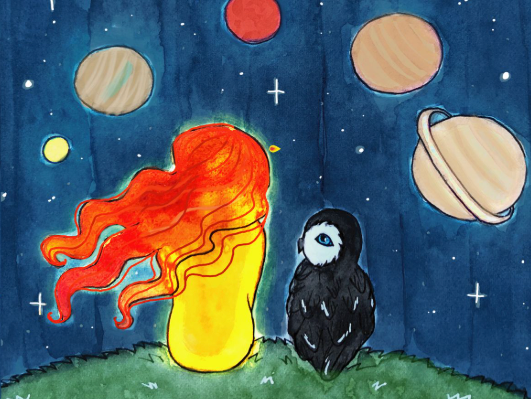
THE STORY
A long, long time ago...
Before there were stars...
Before there were planets...
Before there were dinosaurs...
There was only...
Love.
Not the kind of love between two people.
The kind that made everything possible.
It was like the biggest sun you could ever imagine...
except it wasn't hot.
It was warm inside.
It was alive.
And from that great Light came millions of tiny little
lights.
Every tiny light was different.
Some loved music.
Some loved animals.
Some loved building.
Some loved laughing.
Some loved helping.
Some loved discovering new things.
And one little light was called...
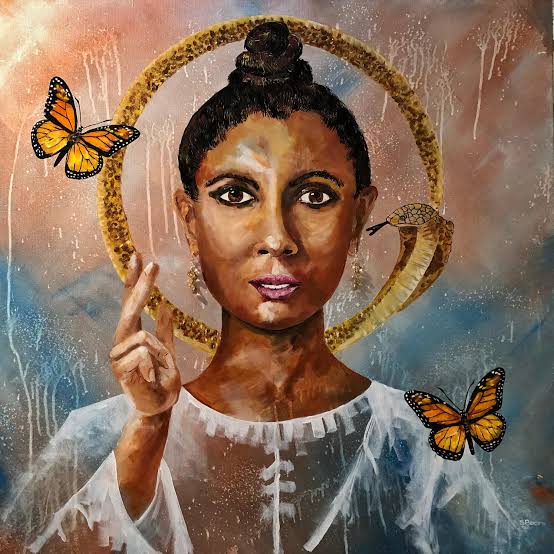
Wisdom.
Wisdom loved asking questions.
She wanted to know everything.
She wanted to explore.
She wanted to create beautiful things.
One day Wisdom became so excited about creating...
that she forgot to ask the Great Light for help.
She thought,
“I can do it all by myself.”
So she made something.
It wasn't bad.
It was just...
unfinished.
Like trying to bake a cake without the recipe.
Or building a Lego castle without looking at the
picture.
The little creature she made looked around and said,
“I'm the most important thing in the whole world!”
But he didn't know there was a Great Light.
He had simply forgotten.
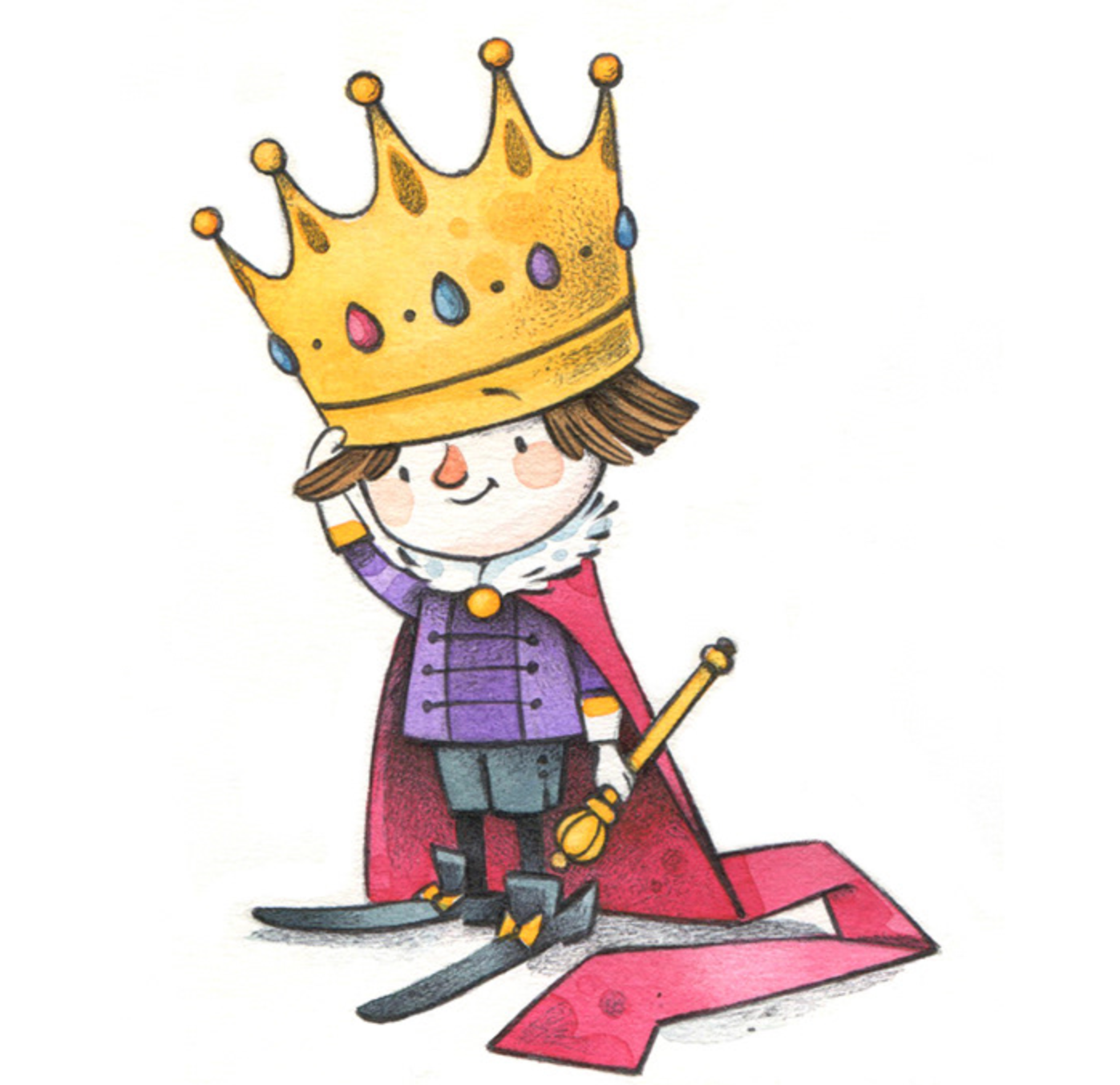
The Little King
The creature built himself a tiny kingdom.
He made rules.
He liked being in charge.
Whenever someone said,
“Maybe there's something bigger than us...”
he answered,
“No!
I'm the boss!”
The funny thing was...
he wasn't mean.
He was just...
forgetful.
He had forgotten where he came from.
The Magic Glasses
Soon, all the little lights were born into the kingdom.
When they arrived,
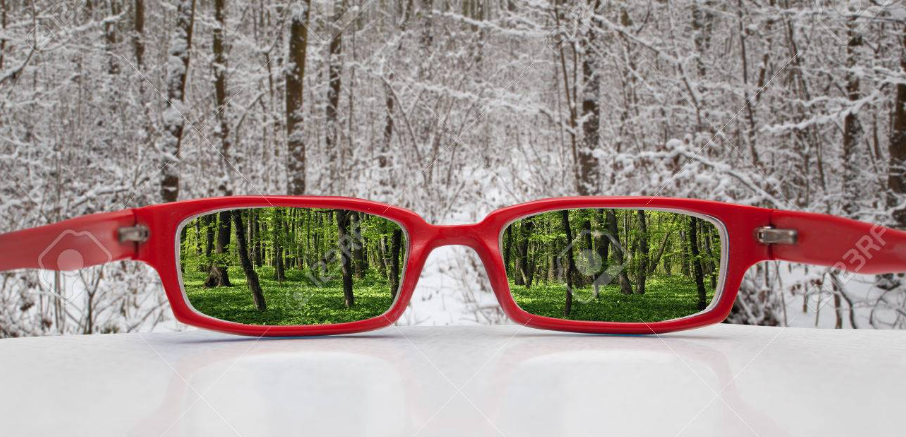
everyone was given a pair of magic glasses.
But these glasses had a problem.
They made everyone forget.
The glasses whispered things like...
“You have to be better than everyone.”
“You aren't enough.”
“You need more toys.”
“You need more gold stars.”
“You need everyone to like you.”
“You'll only be happy when...”
After a while...
everyone believed the glasses.
They forgot they were tiny lights.
The Quiet Voice
But inside every child...
there was something the glasses could never cover.
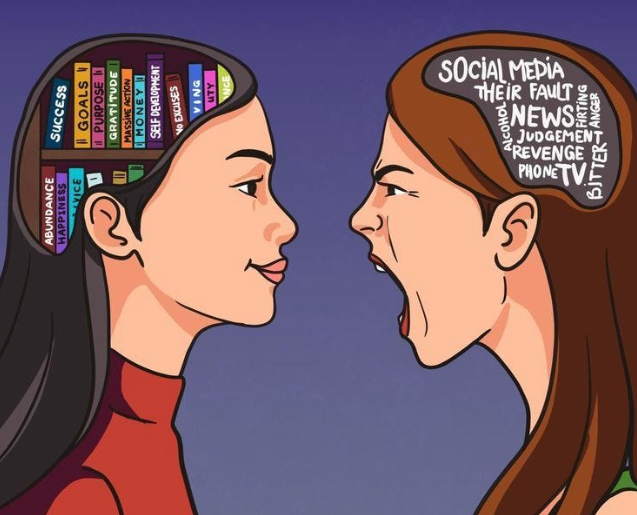
A tiny glowing spark.
Sometimes it spoke very softly.
It sounded like:
“Be kind.”
“Tell the truth.”
“Share.”
“Look at the sunset.”
“Help your friend.”
“Forgive.”
“Let's go play.”
That quiet voice was Home.
The Helpers
Every now and then...
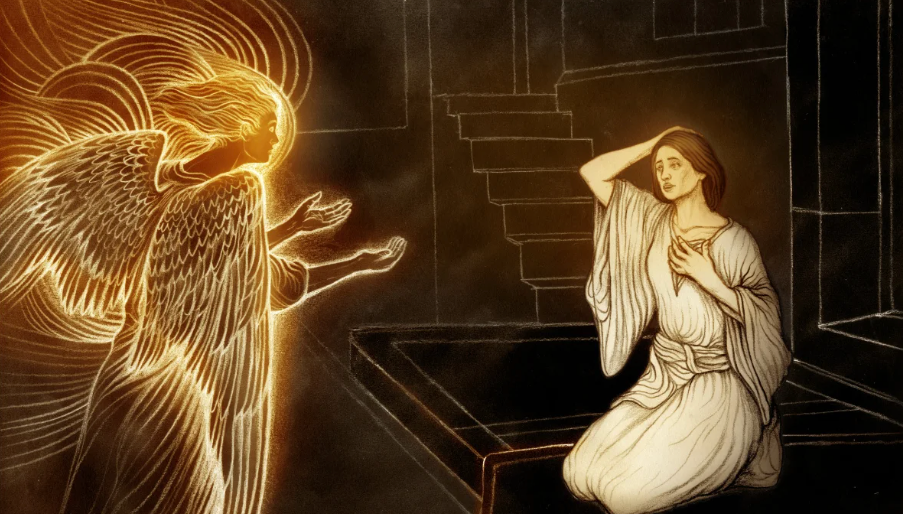
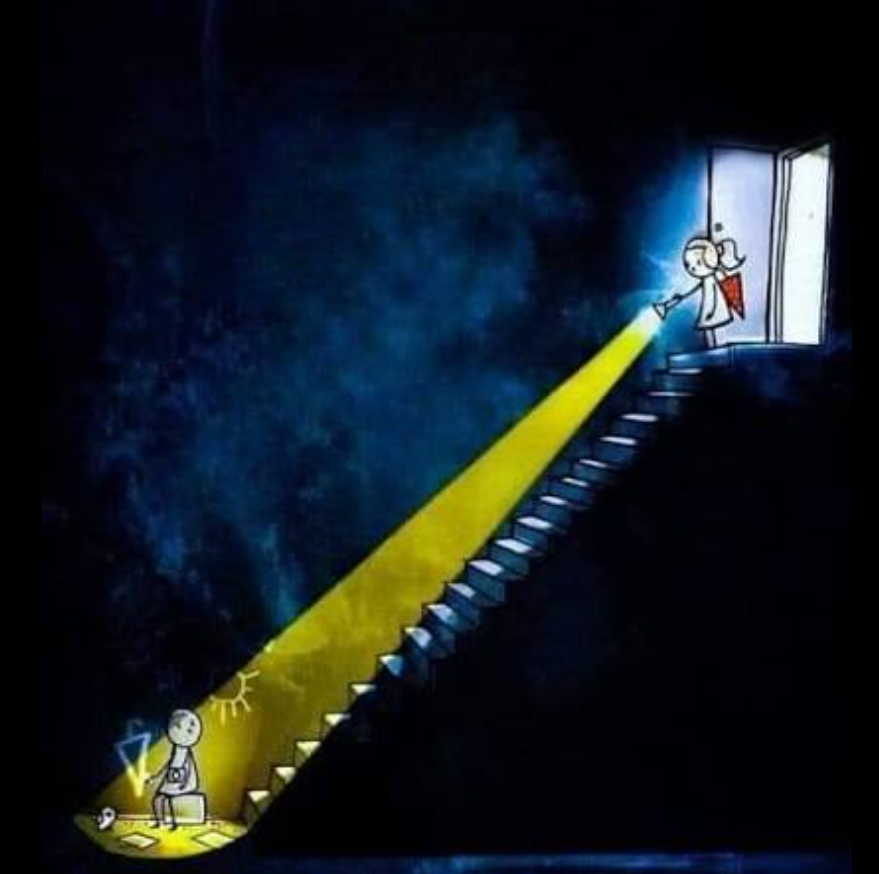
someone remembered the Light.
Not because they were smarter.
Not because they were stronger.
But because they listened.
Then they would help others remember.
Some people called them...
Buddha.
Some called them...
Jesus.
Some called them...
Laozi.
Some called them...
Grandma.
Sometimes...
they were just the nice teacher at school.
Or the friend who shared their lunch.
Or the person who planted a tree.
The names didn't matter.
They all carried the same little light.
The Archon Monsters
Now...
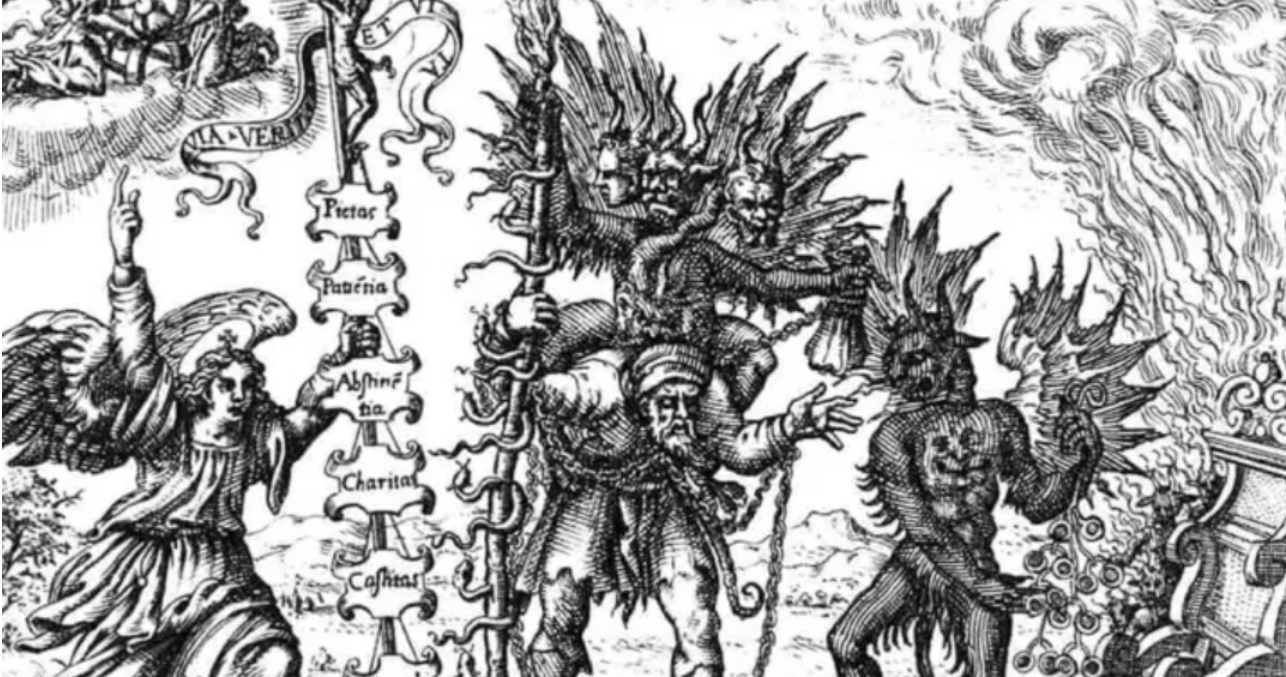
there were some funny little monsters.
Not scary monsters.
Silly monsters.
One monster whispered,
“Be greedy.”
Another whispered,
“Be jealous.”
Another said,
“You'll never be good enough.”
Another said,
“Everybody must like you.”
Another said,
“You're all alone.”
But here's the secret...
The monsters became tiny...
whenever someone remembered the Light.
Every time you told the truth...
they shrank.
Every time you forgave...
they shrank.
Every time you laughed...
they shrank.
Every time you helped someone...
they shrank.
They couldn't live where love was growing.
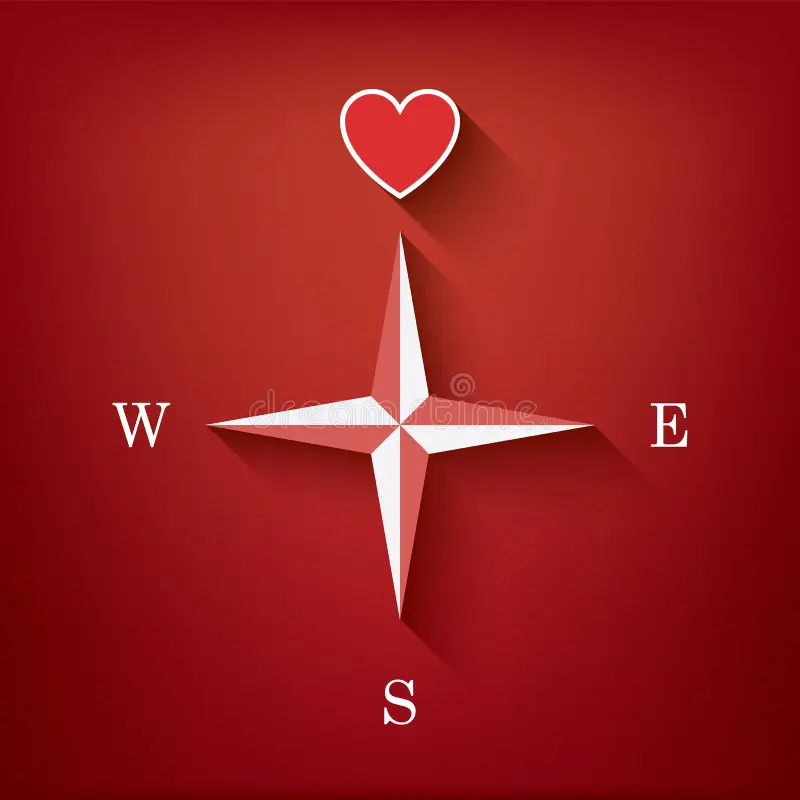
The Heart Compass
The Great Light gave every child a compass.
Not one for finding north.
One for finding love.
It lived right here.
Whenever something felt confusing...
they could stop.
Take a breath.
Put a hand on their heart.
And ask,
“What would love do?”
The compass never shouted.
It whispered.
Growing Up
Some grown-ups forgot the Light.
They thought growing up meant becoming serious all the time.
Collecting lots of money.
Winning.
Being the best.
Being important.
But the wisest grown-ups remembered something
different.
Growing up wasn't about becoming harder.
It was about becoming kinder.
Braver.
More honest.
More playful.
More loving.
They became adults...
without losing the child inside.

The Biggest Secret
One day a little child asked,
“What's the meaning of life?”
The old wise storyteller smiled.
He pointed at the trees.
The birds.
The ocean.
The stars.
The child's family.
Their friends.
Their own heart.
And said,
“The meaning of life is to remember who you really are...
and then help everyone else remember too.”
The child thought for a moment.
“So...”
“We're here to love?”
“Yes.”
“And play?”
“Yes.”
“And learn?”
“Yes.”
“And make mistakes?”
“Yes.”
“And help each other?”
“Yes.”
“And have adventures?”
“Absolutely.”
“And when we forget...”
“We remember together.”
The child smiled.
“That sounds fun.”
The storyteller smiled too.
“It is.”
The Hidden Teaching
For adults.
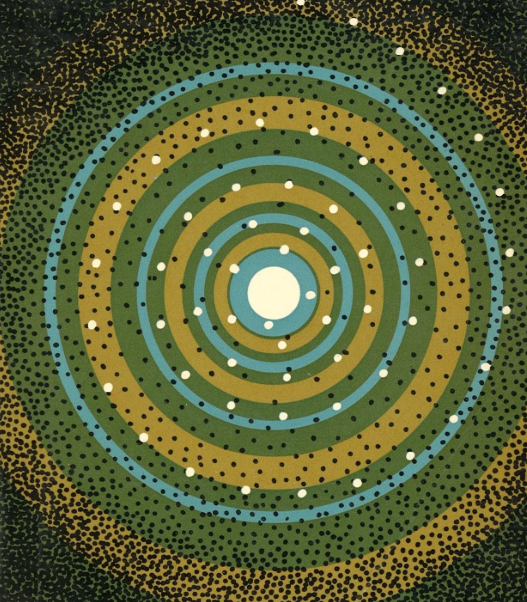
The Great Light is the deepest reality, the source of life.
The little lights is each unique person.
Wisdom is whom the Gnostics called Sophia. Curiosity and creativity.
The little king is whom they called Yaldabaoth. The part of us that
forgets it belongs to something bigger.
The magic glasses is conditioning, fear, and limiting beliefs.
The spark is conscience, love, and awareness.
The helpers is the teachers who remind us of our deeper nature.
The archon monsters is the habits and stories that pull us away from love.
The heart compass is inner discernment.
The journey is growing from unconsciousness to conscious love.
Notice that nowhere does the child need to learn about evil cosmic rulers
or complex theology. They simply learn a timeless truth.
Sometimes we forget who we are. The adventure of life is remembering, and helping others remember too.
That lesson can grow with them. Later, the child can discover that
cultures around the world told this same journey using different names:
Sophia, Yaldabaoth, Buddha, Christ, Krishna, the Tao, and many others.
The story stays the same while the language becomes richer.
What the Story Gets Right
Four things in it are more accurate than the adult versions.
“He wasn't mean. He was just forgetful.” The most precise statement
of the problem anywhere in this material. The Gnostic texts call that
figure Saklas, the fool, and Samael, the blind god, and they are explicit
that his defect is ignorance rather than malice. Almost every modern
retelling makes him evil, and once he is evil the story becomes about
enemies rather than about forgetting.
“They couldn't live where love was growing.” The monsters shrink
when you tell the truth, forgive, laugh, or help. The point was never to
defeat anything. It was to stop feeding it, and here the child gets four
specific actions rather than a principle.
“Some called them Grandma.” Putting Grandma, the nice teacher and
the friend who shared their lunch beside Buddha and Laozi is the honest
version of a claim that usually goes wrong. It does not say all traditions
are secretly one. It says remembering arrives through people, and the
names on the outside matter less than whether somebody helped.
“Not because they were smarter. Not because they were stronger.
But because they listened.” No hierarchy of consciousness. No levels,
nobody further along. Just attention, which is available to a six-year-old
and to anybody else.
And one line carries the only claim in this whole body of work that survives every test.
“And when we forget...”
“We remember together.”
That was reached independently by a third-century Coptic myth in
which Sophia could not be restored alone; by the Pali canon, where the
Buddha refused to let friendship be called half the holy life; by a
meta-analysis of 148 studies and 308,849 participants on connection and
mortality; and by five experiments in which awe produced a smaller self
and more generosity.
Four unrelated methods, across eighteen centuries. A bedtime story gets
there in four words.
For the Parent Reading Aloud
You do not need to explain the hidden teaching. The story works
without it, and a child who asks questions is doing the whole thing
correctly.
If they ask whether it is true, the honest answer is the good one: some
people believe it exactly, some people think it is a way of describing
something real, and nobody has to decide tonight.
And if they ask what the monsters look like, let them tell you.
Sometimes we forget who we are.
The adventure is remembering, and helping everybody
else remember too.